Emblem XVIII — Emblem XVIII CITRINITAS
Original Source
What You See
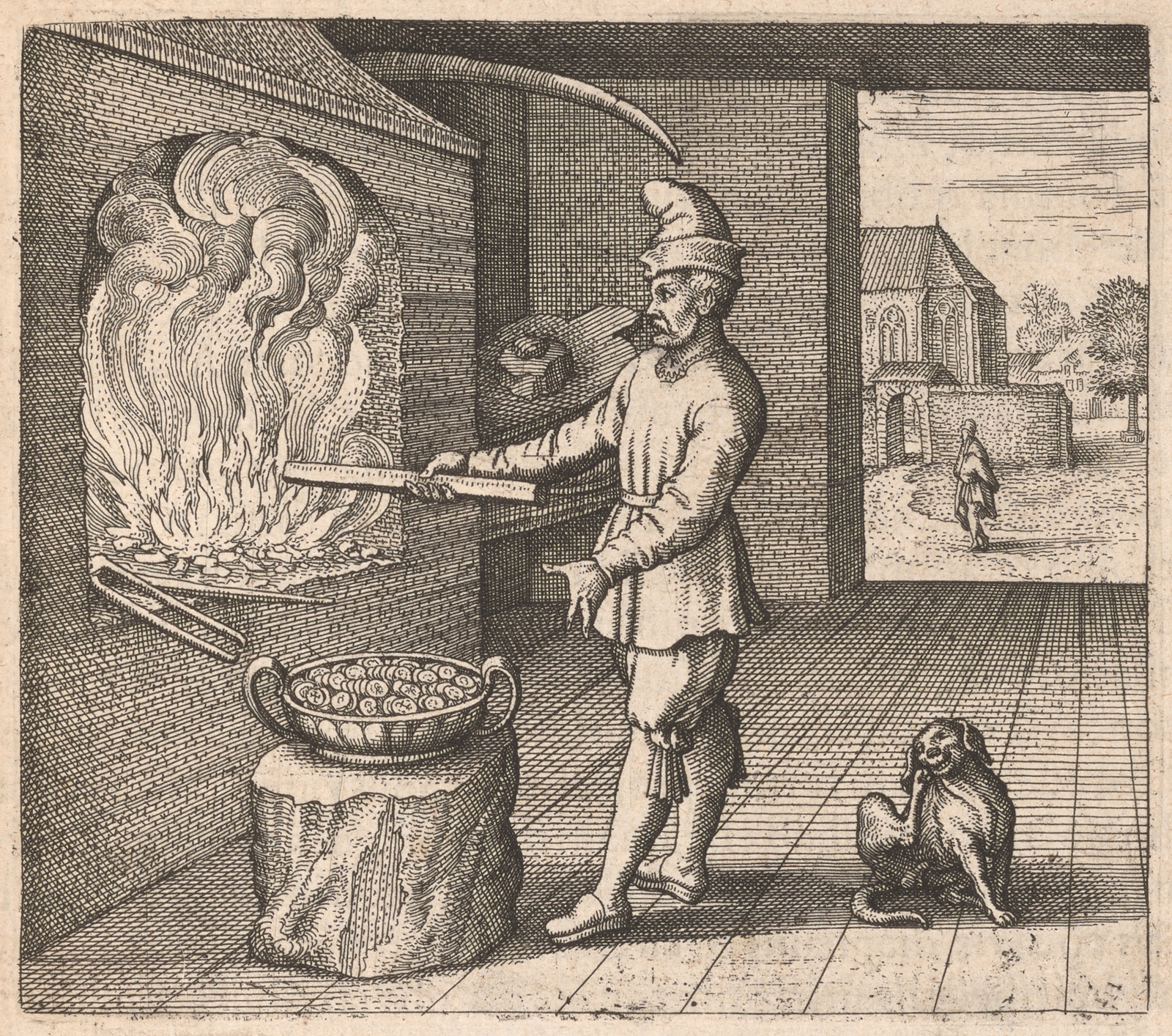
Flames or fire dominate the composition, with a figure working at a furnace or athanor. The fire burns intensely, and various alchemical vessels are arranged around or within the flames. The scene may show the figure adjusting the heat or feeding the fire. The emphasis is on the sustained, controlled application of heat as the governing principle of the work.
Fire likes making things fiery, but not, like gold, making gold.
Epigram
Fire likes making things fiery, But not, like gold, making gold. Fire transforms what is placed within it Into its own nature, communicating its heat. But gold requires a different art: Patience, knowledge, and the right degree of warmth.Discourse Summary
Maier continues the fire the me from Emblem XVII, arguing that fire delights in making things partake of its own fiery nature but can not directly transmute base metals into gold. He develops a distinction between fire as agent of transformation and gold as the goal: fire prepares, purifies, and refines, but the ultimate product — the philosopher's stone or philosophical gold — emerges from the properly prepared matter's own latent potential, not from fire alone. The discourse cites the Aristotelian principle of like acting upon like to explain why the fire must be matched in kind and degree to the substance it works upon.
Overview
Emblem XVIII bears the motto: "Fire likes making things fiery, but not, like gold, making gold."
Maier's Discourse
Maier continues the fire theme from Emblem XVII, arguing that fire delights in making things partake of its own fiery nature but cannot directly transmute base metals into gold. He develops a distinction between fire as agent of transformation and gold as the goal: fire prepares, purifies, and refines, but the ultimate product — the philosopher's stone or philosophical gold — emerges from the properly prepared matter's own latent potential, not from fire alone.
Source Texts
De Jong's source-critical analysis identifies the textual traditions Maier draws upon for this emblem.
The discourse draws on alchemical sources: Senior Zadith (Muhammad ibn Umail), Tabula Chimica.
Alchemical Significance
Hereward Tilton: Tilton reads discourse 18 as Maier's refutation of instant transmutation ('projection') — those who claim to convert metals in the time it takes to eat an egg. Maier rejects antimony-based projection as charlatanism, insisting on slow fermentation mimicking natural processes.
H.M.E. de Jong: De Jong identifies the source in George Ripley's Liber Duodecim Portarum and demonstrates how Maier connects the killing of one of four interconnected elements to the Hermetic principle that the Stone's components are inseparable. She traces the Geryon myth to Maier's argument that violent separation destroys the work.
Scholarly Commentary
Hereward Tilton ALCHEMICAL MEDIUM
Tilton reads discourse 18 as Maier's refutation of instant transmutation ('projection') — those who claim to convert metals in the time it takes to eat an egg. Maier rejects antimony-based projection as charlatanism, insisting on slow fermentation mimicking natural processes.
Citation: Ch. III, pp. 96-98
H.M.E. de Jong ALCHEMICAL HIGH
De Jong identifies the source in George Ripley's Liber Duodecim Portarum and demonstrates how Maier connects the killing of one of four interconnected elements to the Hermetic principle that the Stone's components are inseparable. She traces the Geryon myth to Maier's argument that violent separation destroys the work.