Lambsprinck, De Lapide Philosophico ALCHEMICAL
cited in 10 emblems
Lambsprinck's De Lapide Philosophico is a late sixteenth-century alchemical emblem book that pairs symbolic engravings with verse explanations, establishing a visual tradition of alchemical emblems upon which Maier builds. De Jong (1969) and Pagel (1973) both identify Lambsprinck as a prototype for Maier's method of encoding alchemical doctrine in pictorial form, with Emblem VII's winged and wingless bird imagery drawing on a shared symbolic vocabulary. Lambsprinck's work thus represents a key link in the genealogy of the alchemical emblem tradition that culminates in Atalanta Fugiens.
Cited in
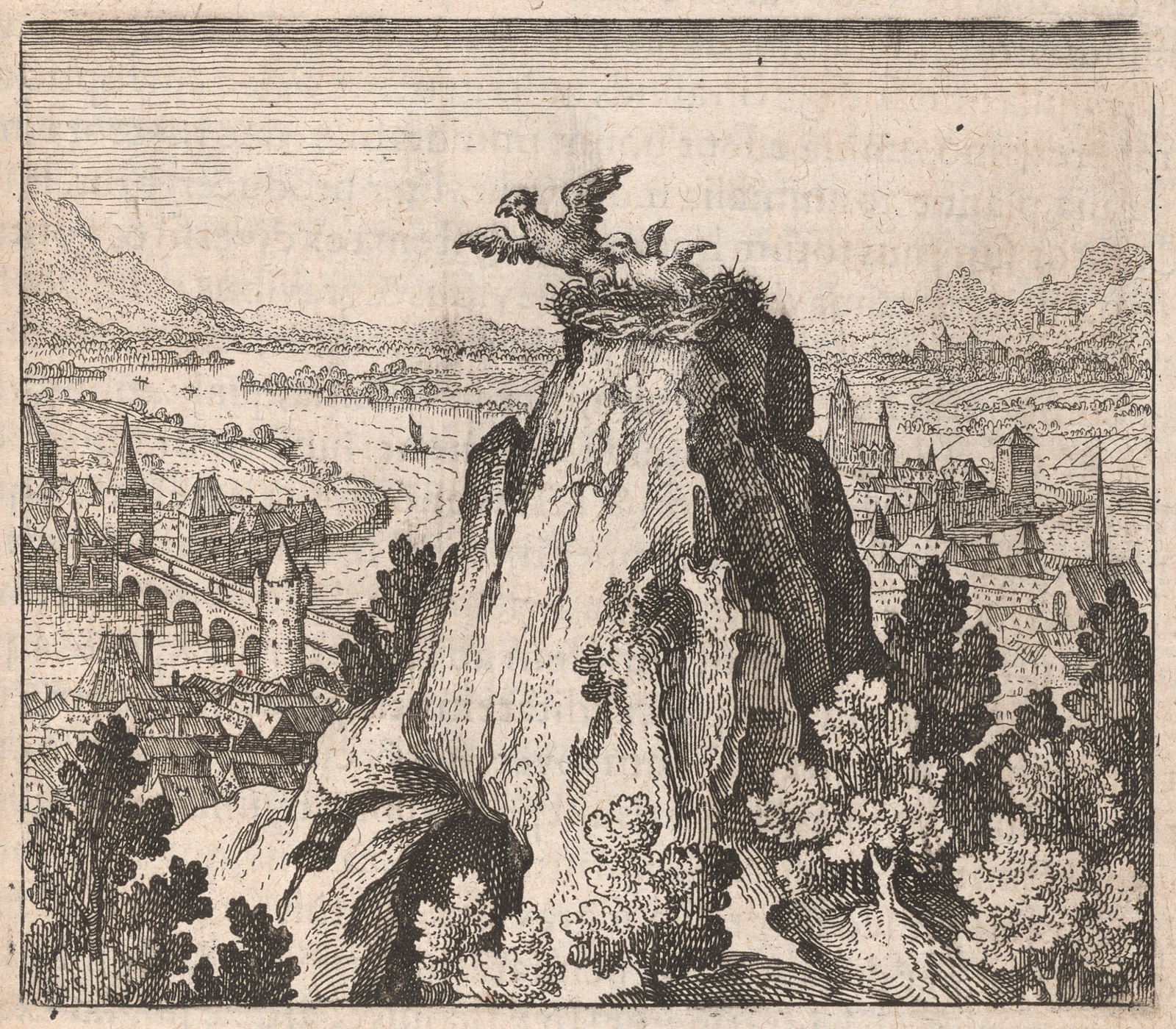
Emblem VII CITRINITAS
Young bird flying from nest and falling back
A young bird flies up from the nest and falls back into the nest again.
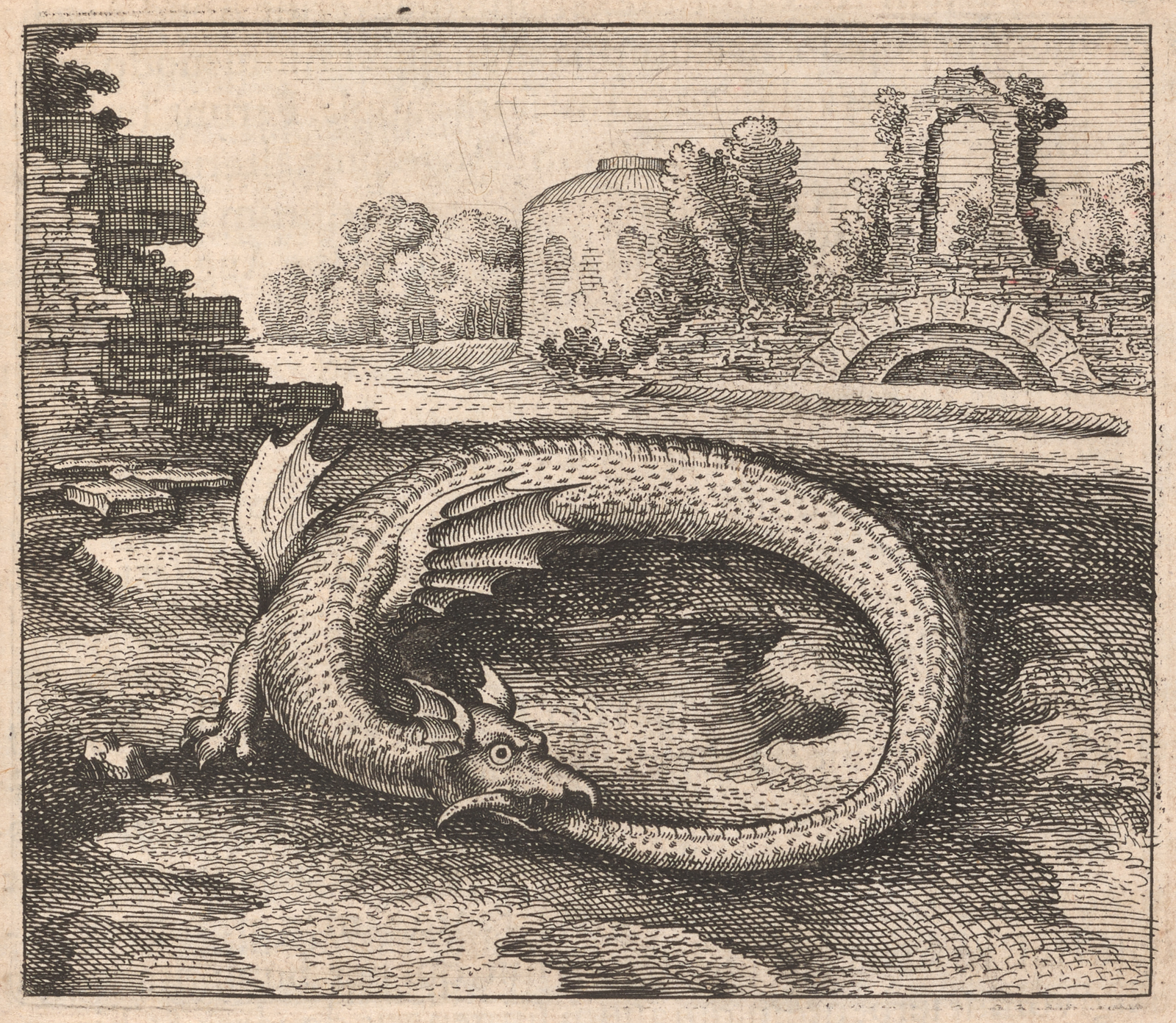
Emblem XIV NIGREDO
Emblem XIV
This is the dragon that devours its own tail.
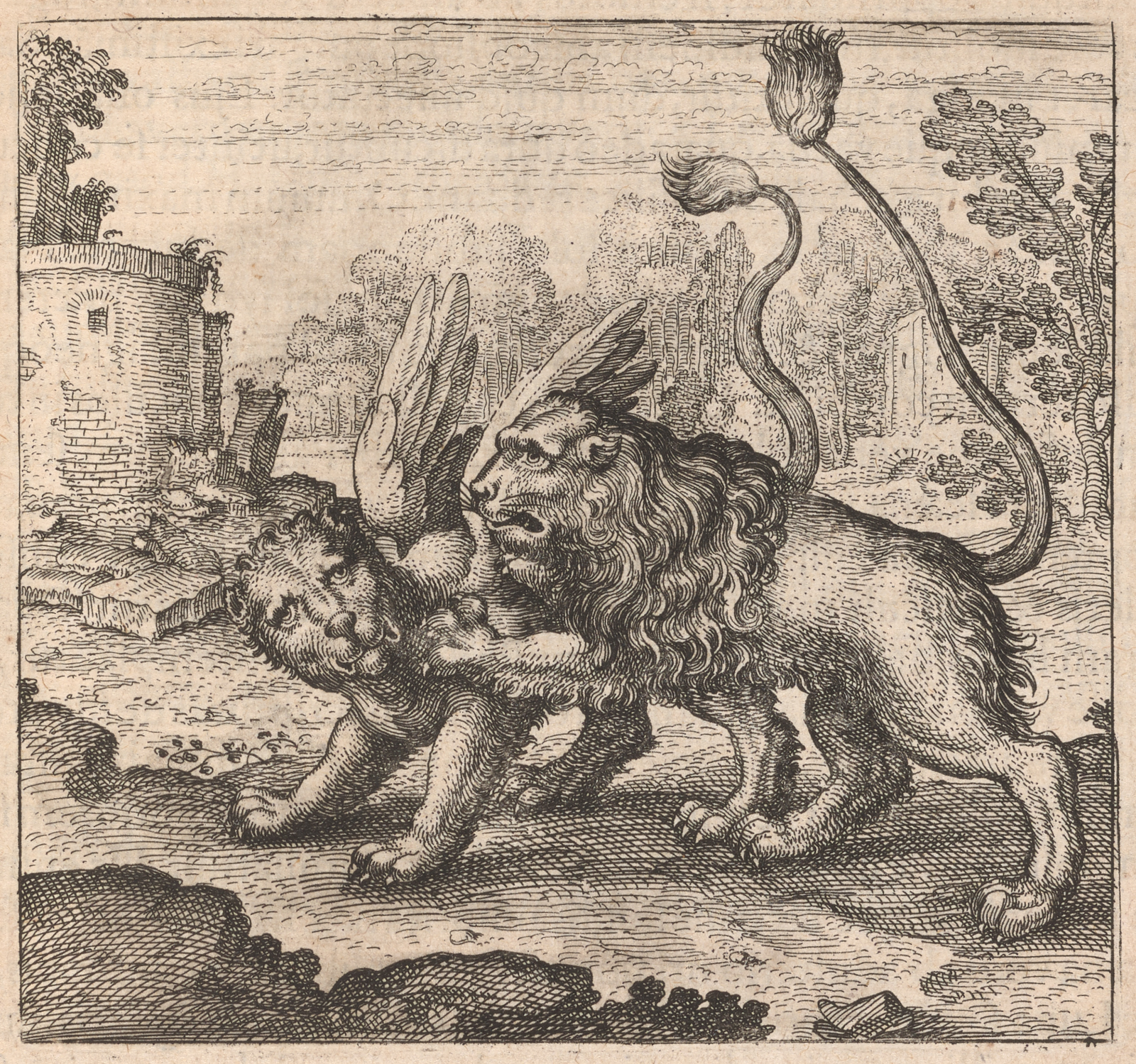
Emblem XVI CITRINITAS
Winged and wingless lion
The feathers one lion has not, the other has.
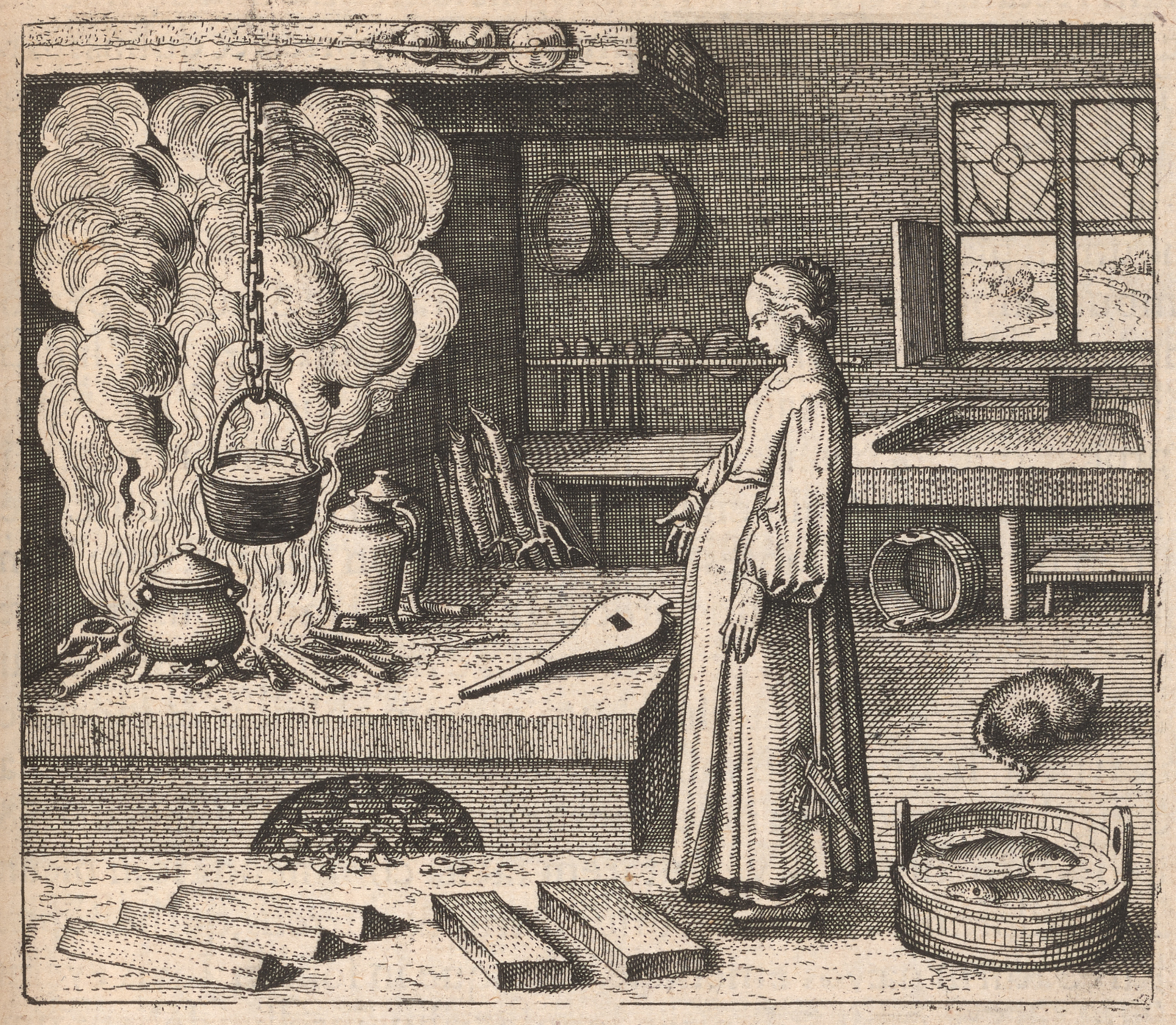
Emblem XXII ALBEDO
Emblem XXII
When you have obtained the white lead, then do woman's work, that is to say: cook.
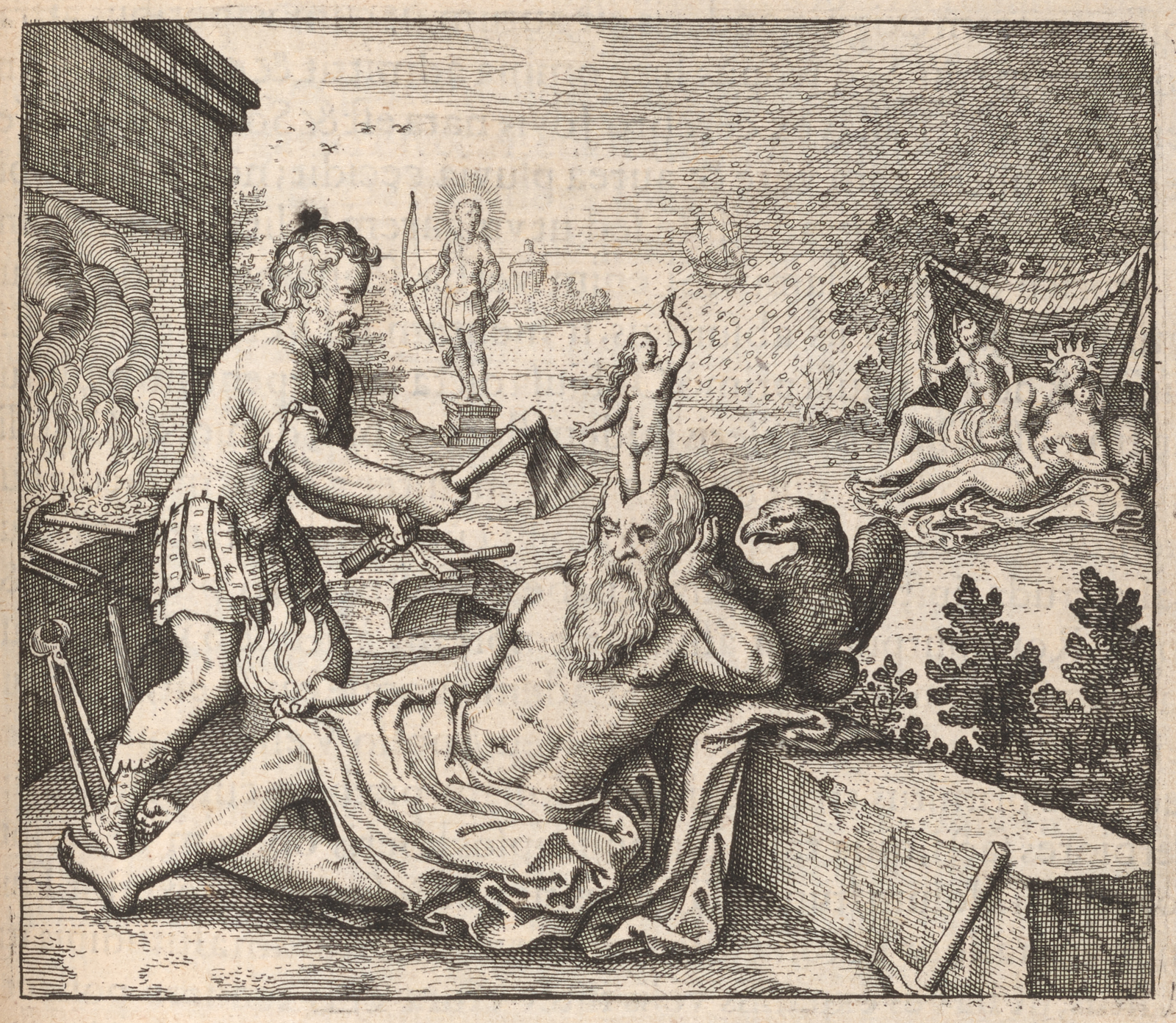
Emblem XXIII CITRINITAS
Emblem XXIII
It rains gold when Pallas is born at Rhodes.
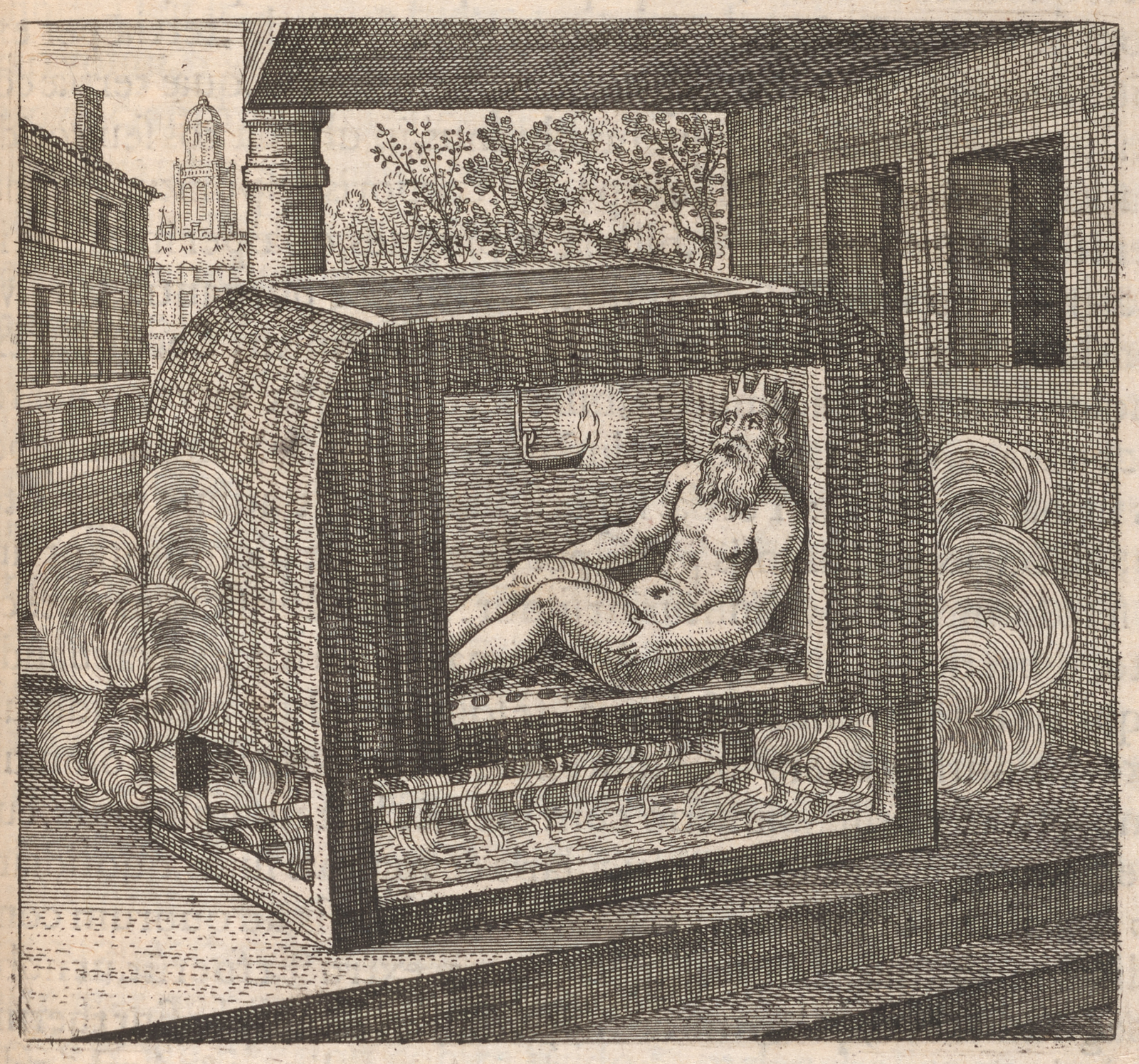
Emblem XXVIII NIGREDO
King Duenech in steam bath
The king is bathed, sitting in a steam-bath, and is freed from the black bile by Pharut.
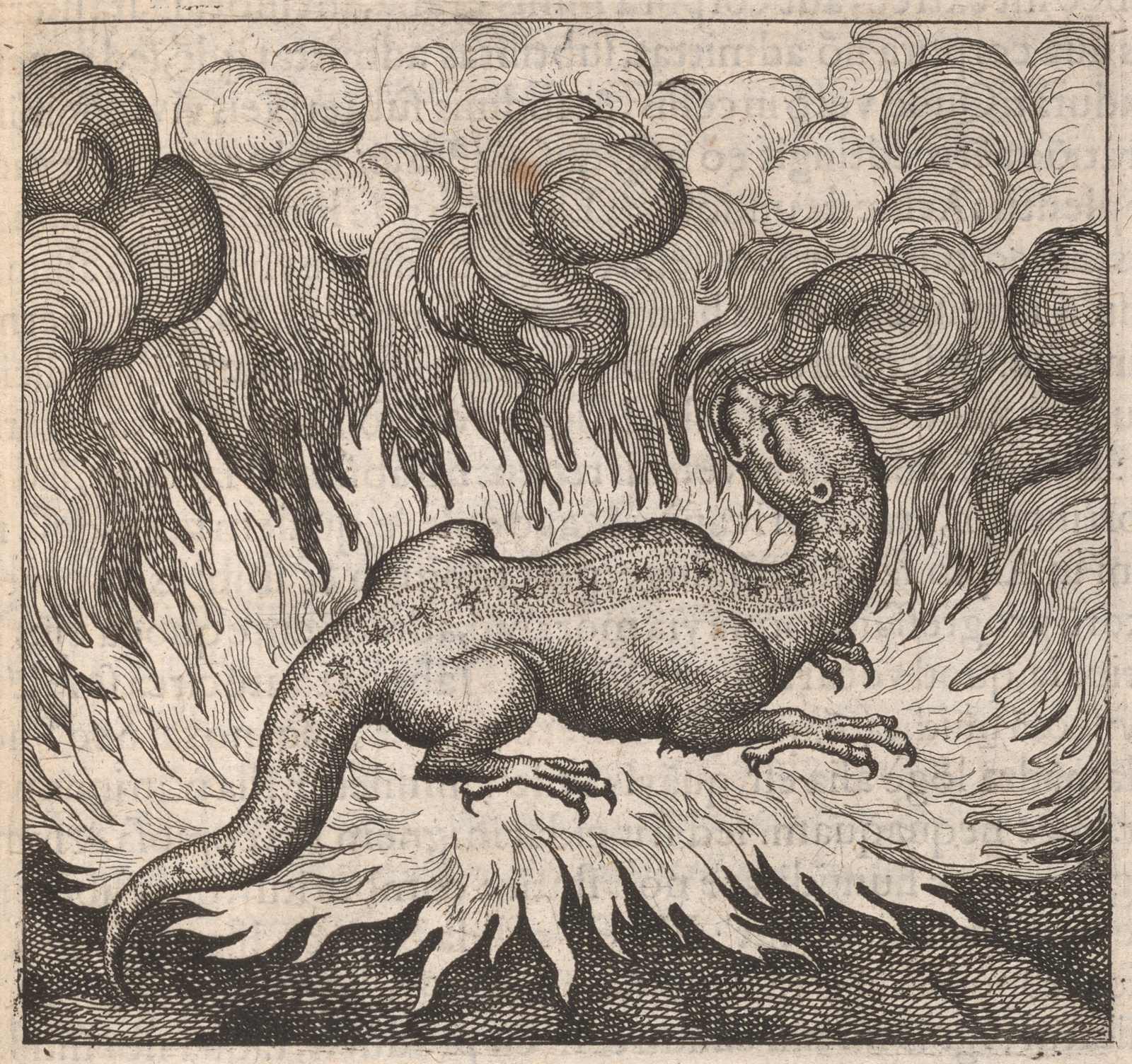
Emblem XXIX CITRINITAS
Emblem XXIX
Just as the Salamander lives in the fire, so also the Stone.
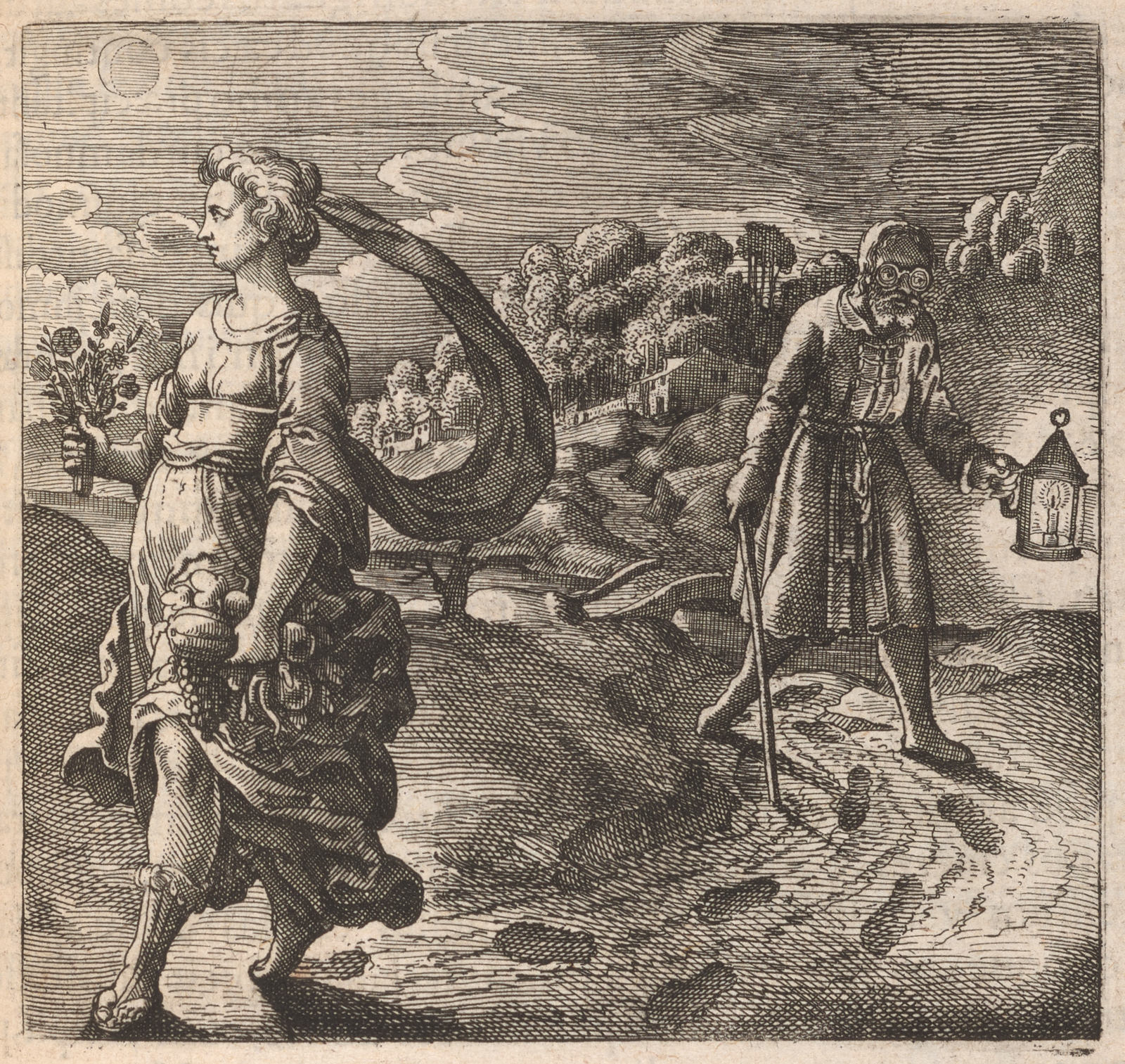
Emblem XLII RUBEDO
Emblem XLII
What Nature, Reason, Experience and Reading teach you, let that be the fire, the vessel, the water and the earth.
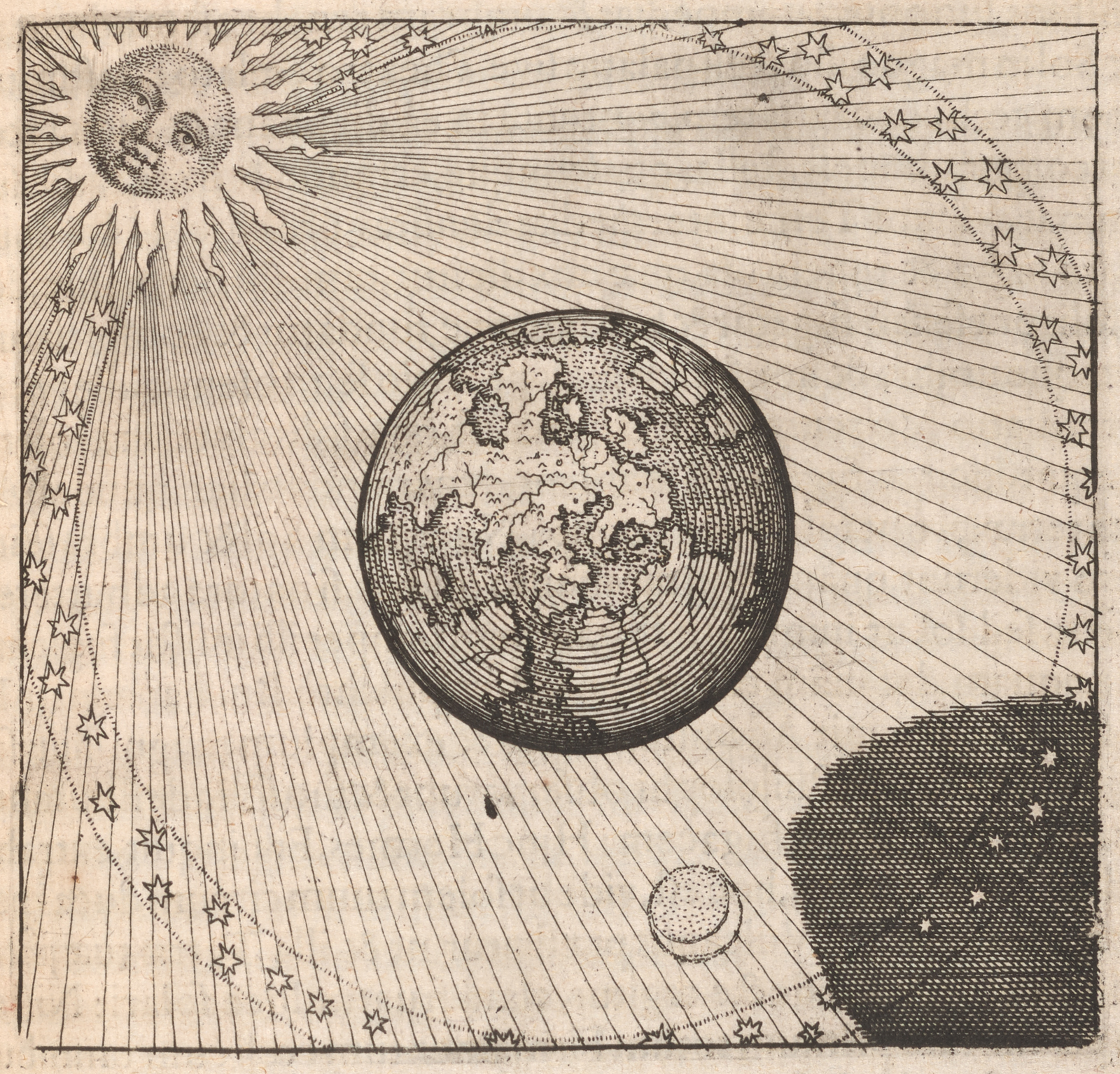
Emblem XLV RUBEDO
Emblem XLV
Sol and his shadow complete the work.
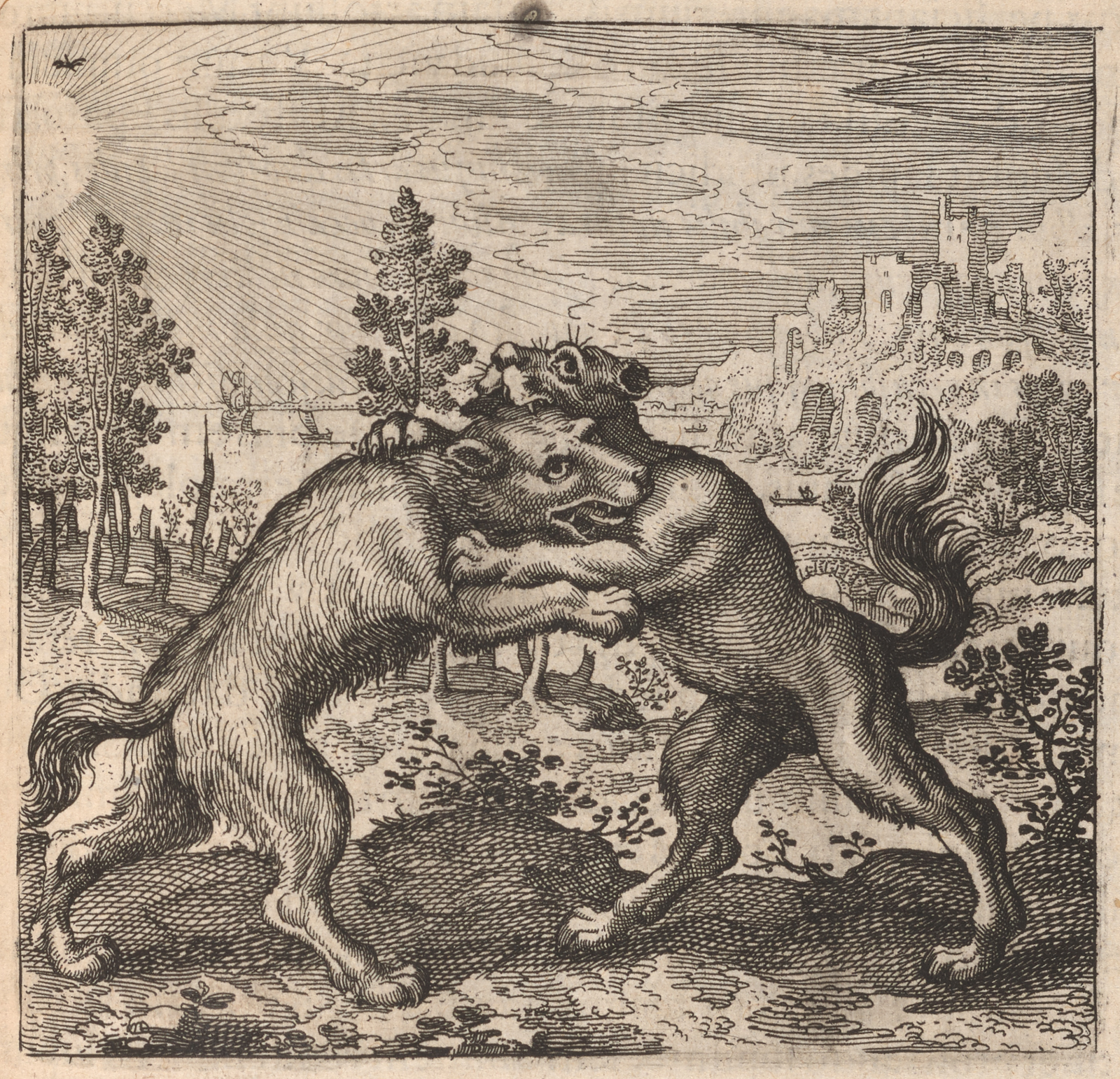
Emblem XLVII NIGREDO
Emblem XLVII
The wolf coming from the East, and the Dog coming from the West, have bitten each other.