Lullius tradition (via Harmonica Chemica) ALCHEMICAL
cited in 11 emblems
The Pseudo-Lullian alchemical tradition, transmitted through compilations such as the Harmonica Chemica, attributes a body of practical and theoretical alchemical writings to the Catalan philosopher Ramon Llull, though most are late medieval pseudepigrapha. De Jong (1969) identifies a thematic parallel between Emblem V's image of the toad suckling at the woman's breast and the Lullian teaching on dissolution and coagulation as reciprocal operations. This connection reinforces Maier's point that one nature can only coagulate through the dissolution of another, a principle central to the logic of Atalanta Fugiens.
Cited in
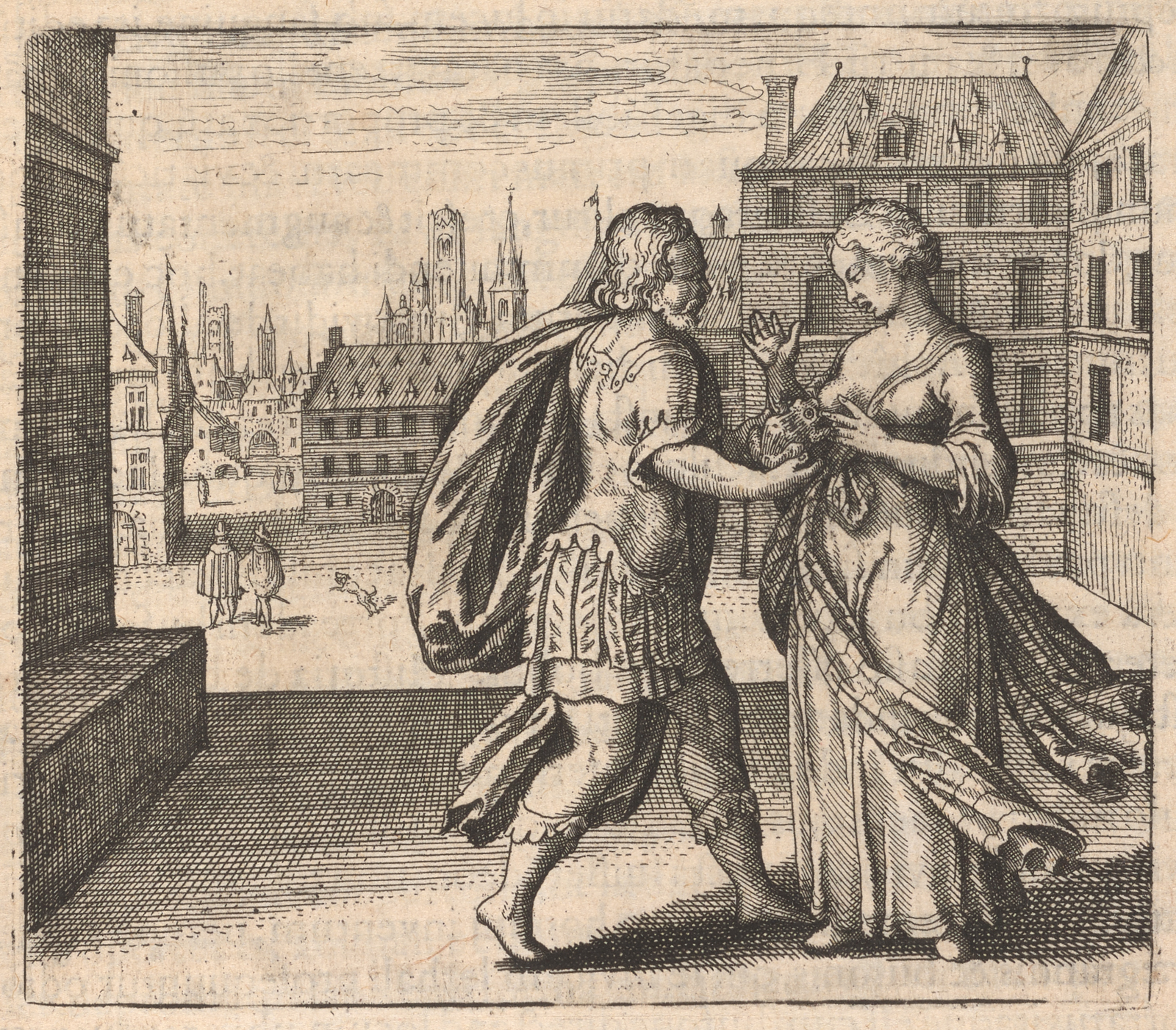
Emblem V NIGREDO
Woman suckling the toad
Put a toad to the breasts of a woman, that she may suckle it, and the woman may die and the toad grow big from the milk.
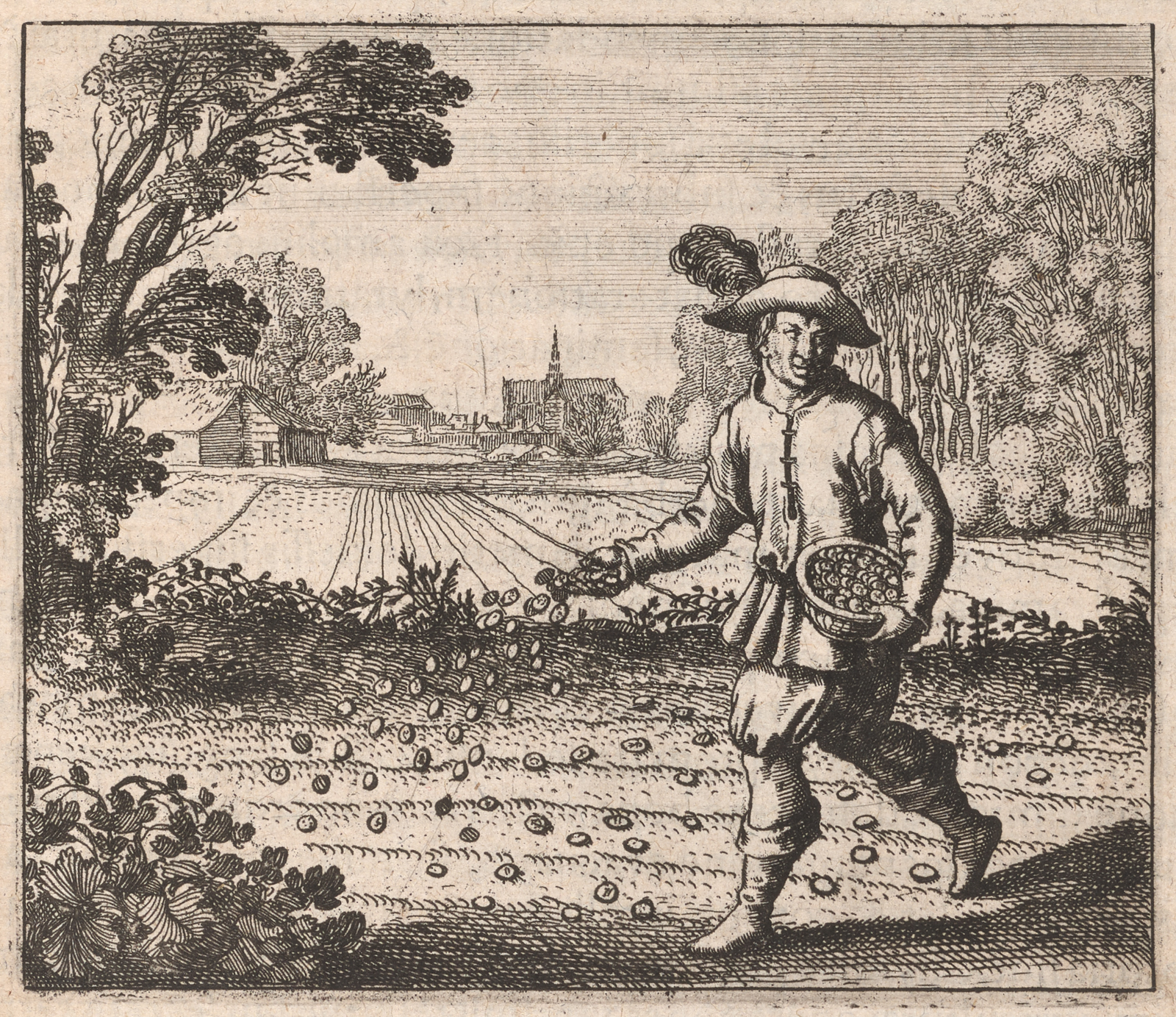
Emblem VI ALBEDO
Sow your gold in the white foliated earth
Sow your gold in the white foliated earth.
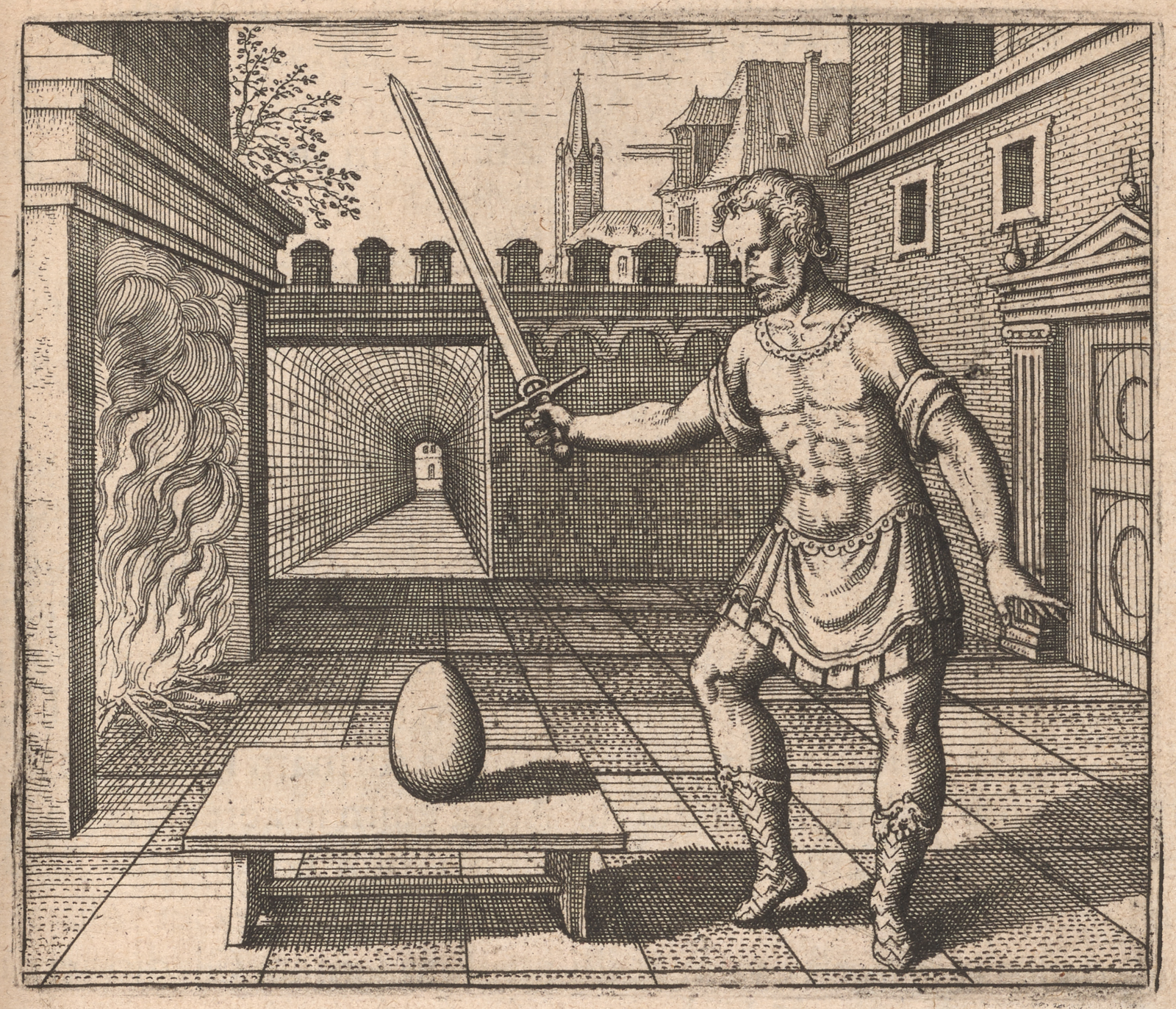
Emblem VIII NIGREDO
Emblem VIII
Take the egg and pierce it with a fiery sword.
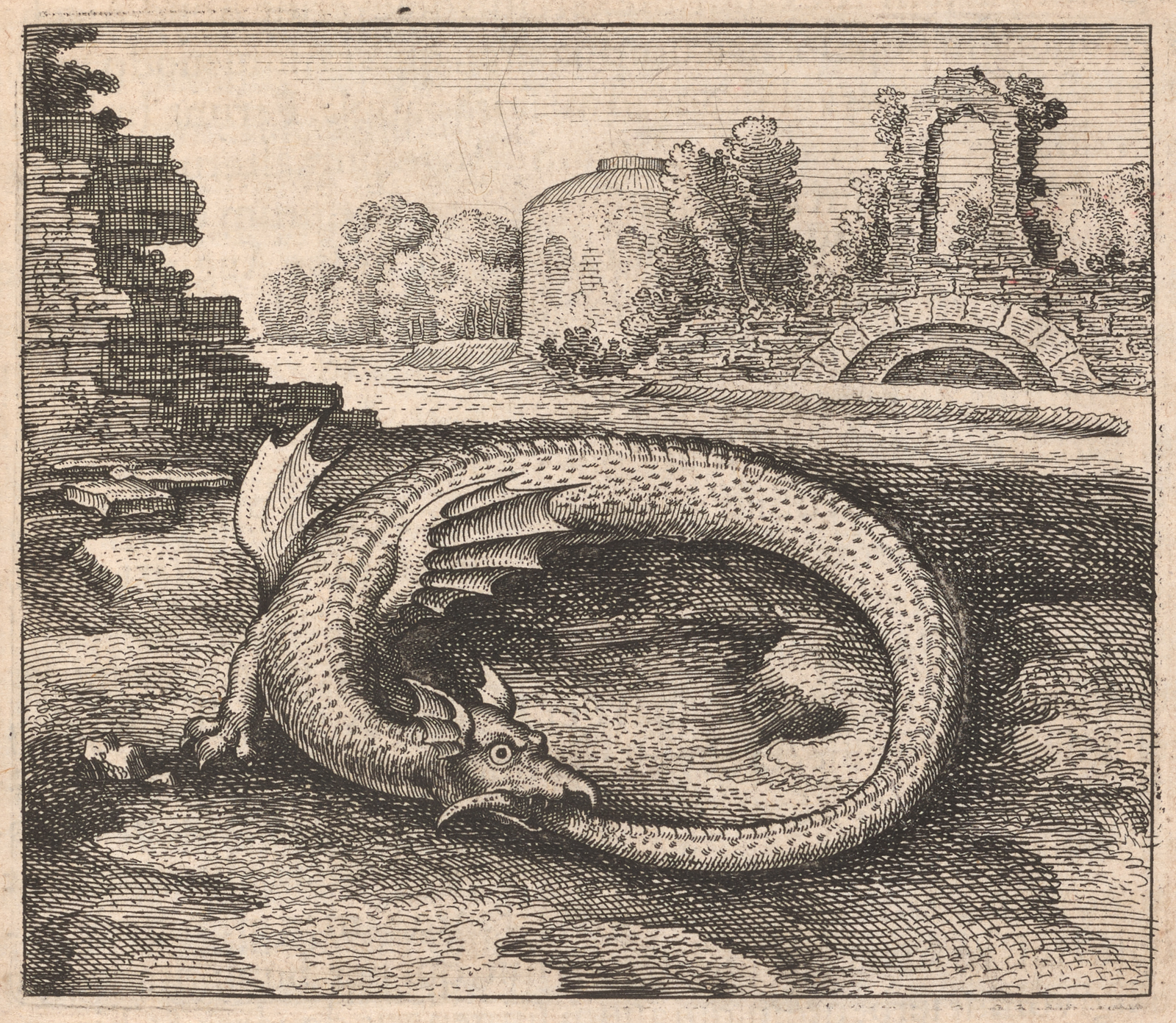
Emblem XIV NIGREDO
Emblem XIV
This is the dragon that devours its own tail.
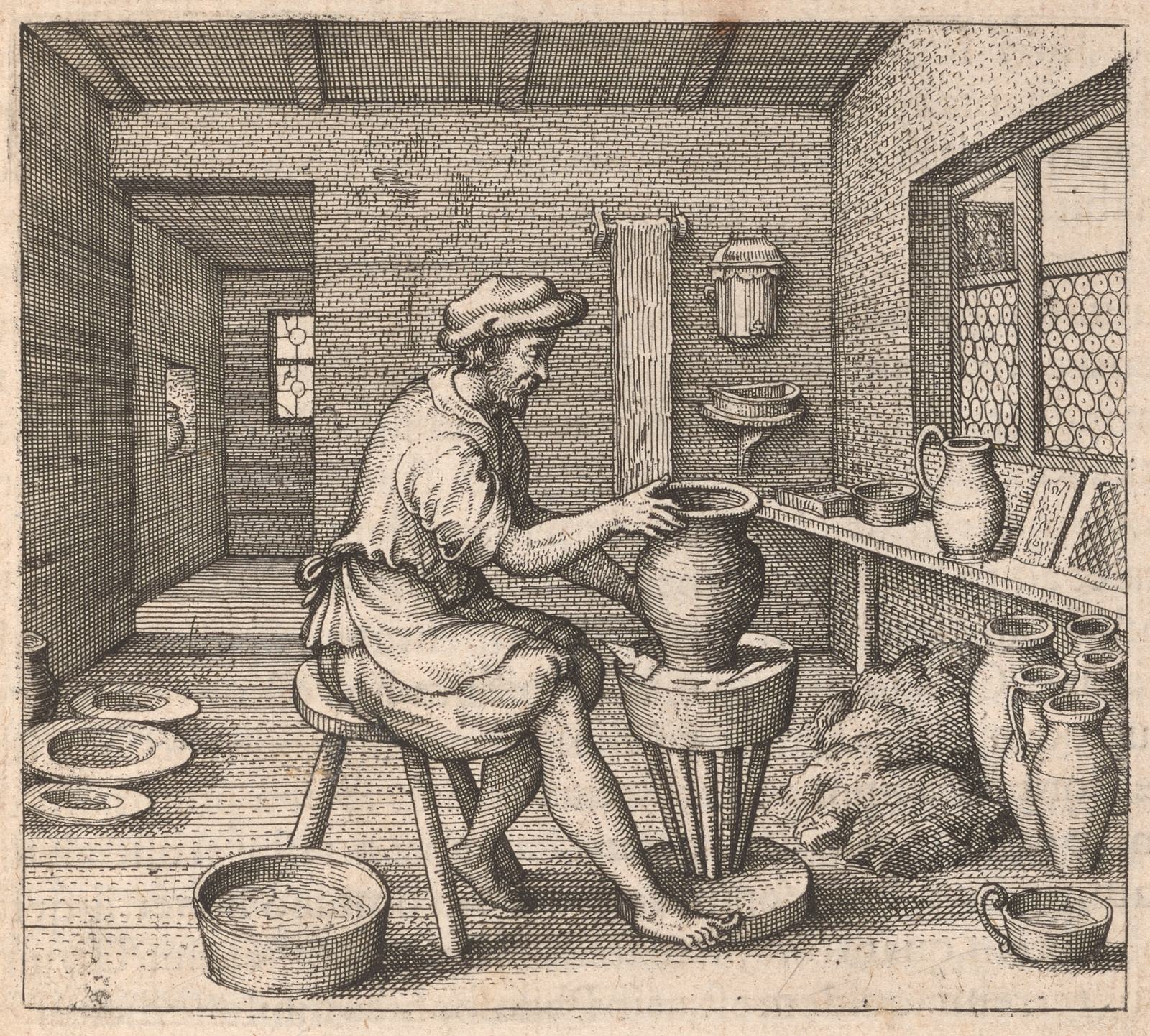
Emblem XV ALBEDO
Emblem XV
Let the work of the potter, consisting of dry and wet, teach you.
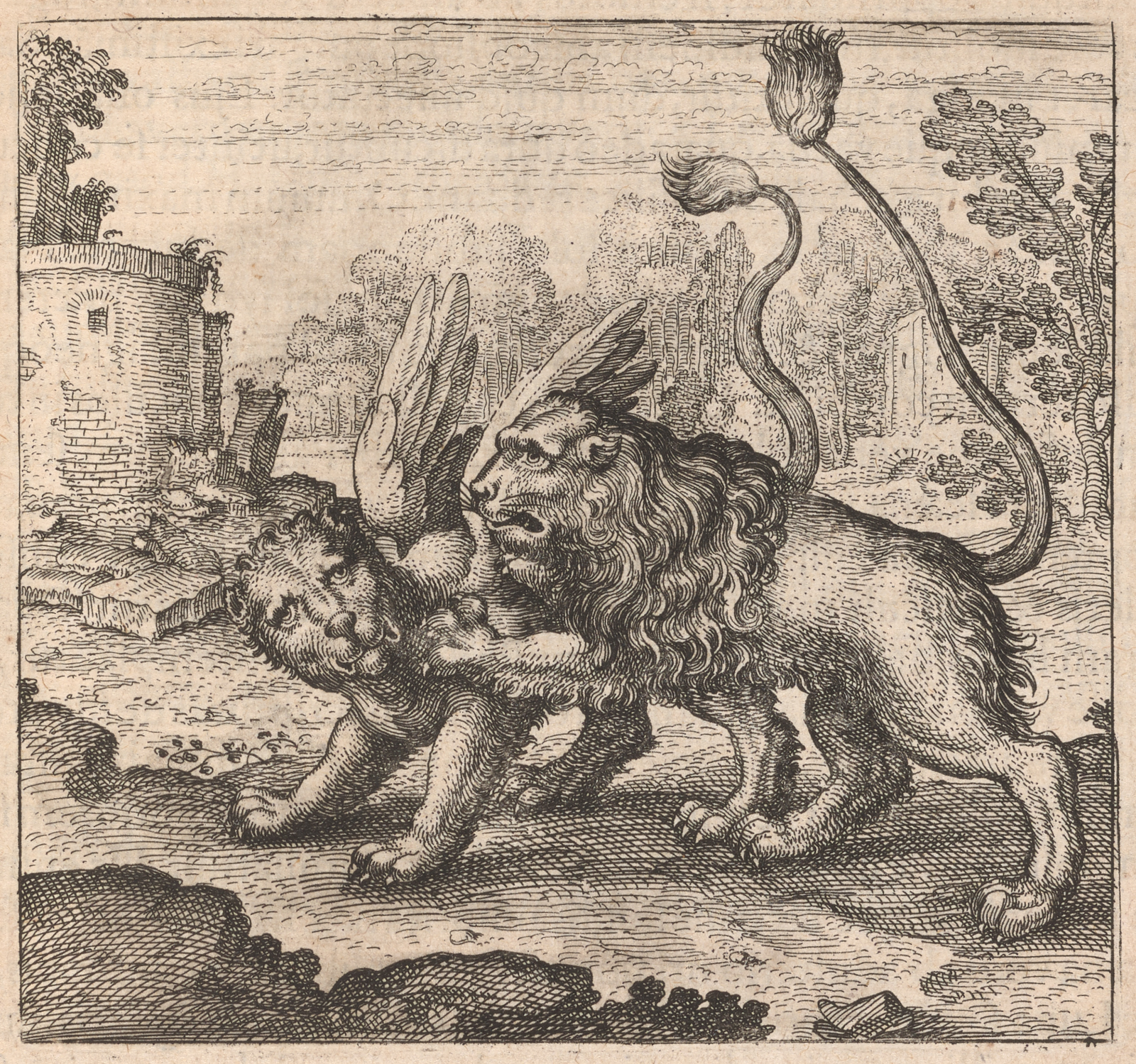
Emblem XVI CITRINITAS
Winged and wingless lion
The feathers one lion has not, the other has.
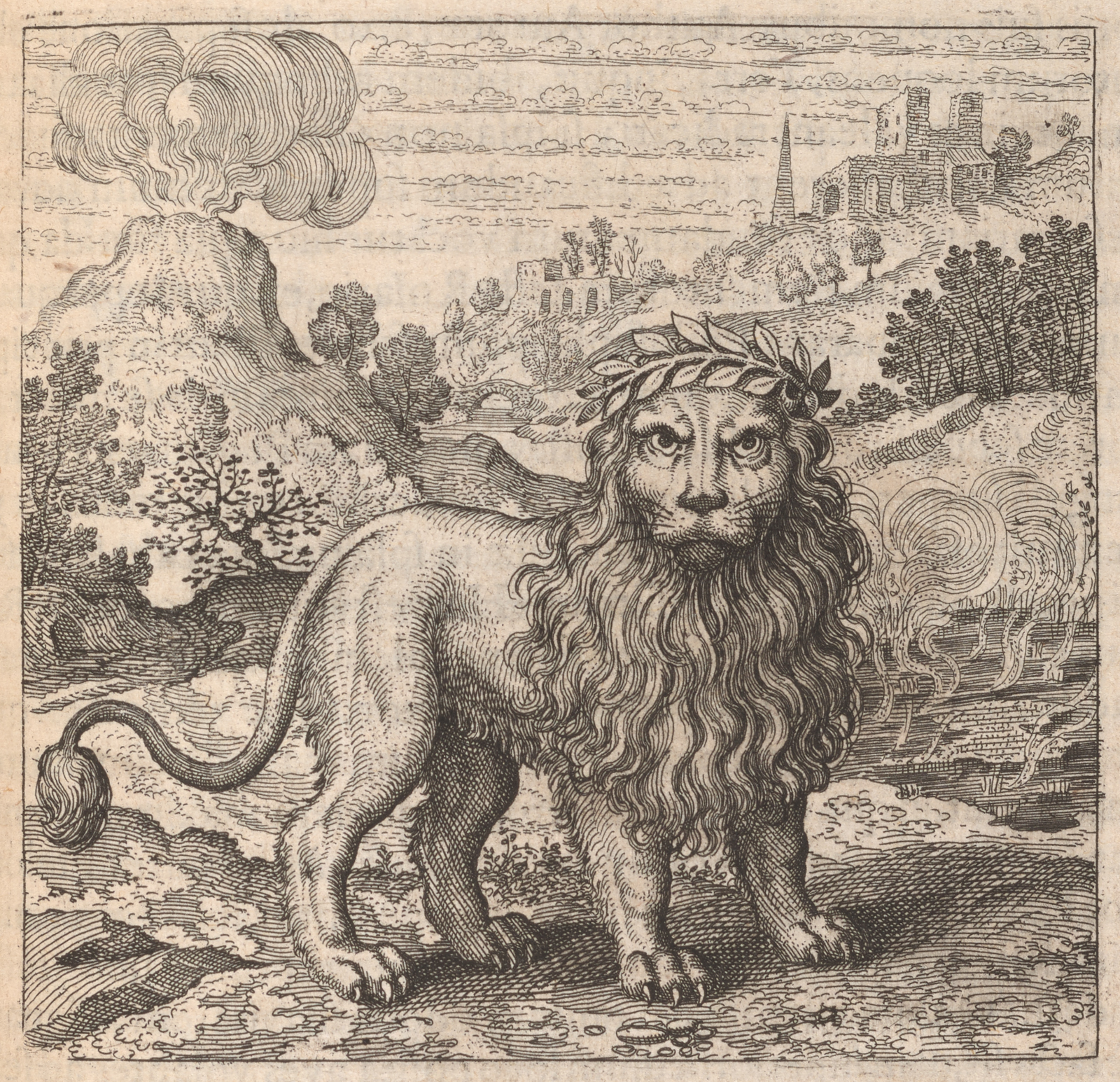
Emblem XXXVII CITRINITAS
Emblem XXXVII
Three things are sufficient for mastery: white smoke, that is water, the green Lion, that is the Ore of Hermes, and stinking water.
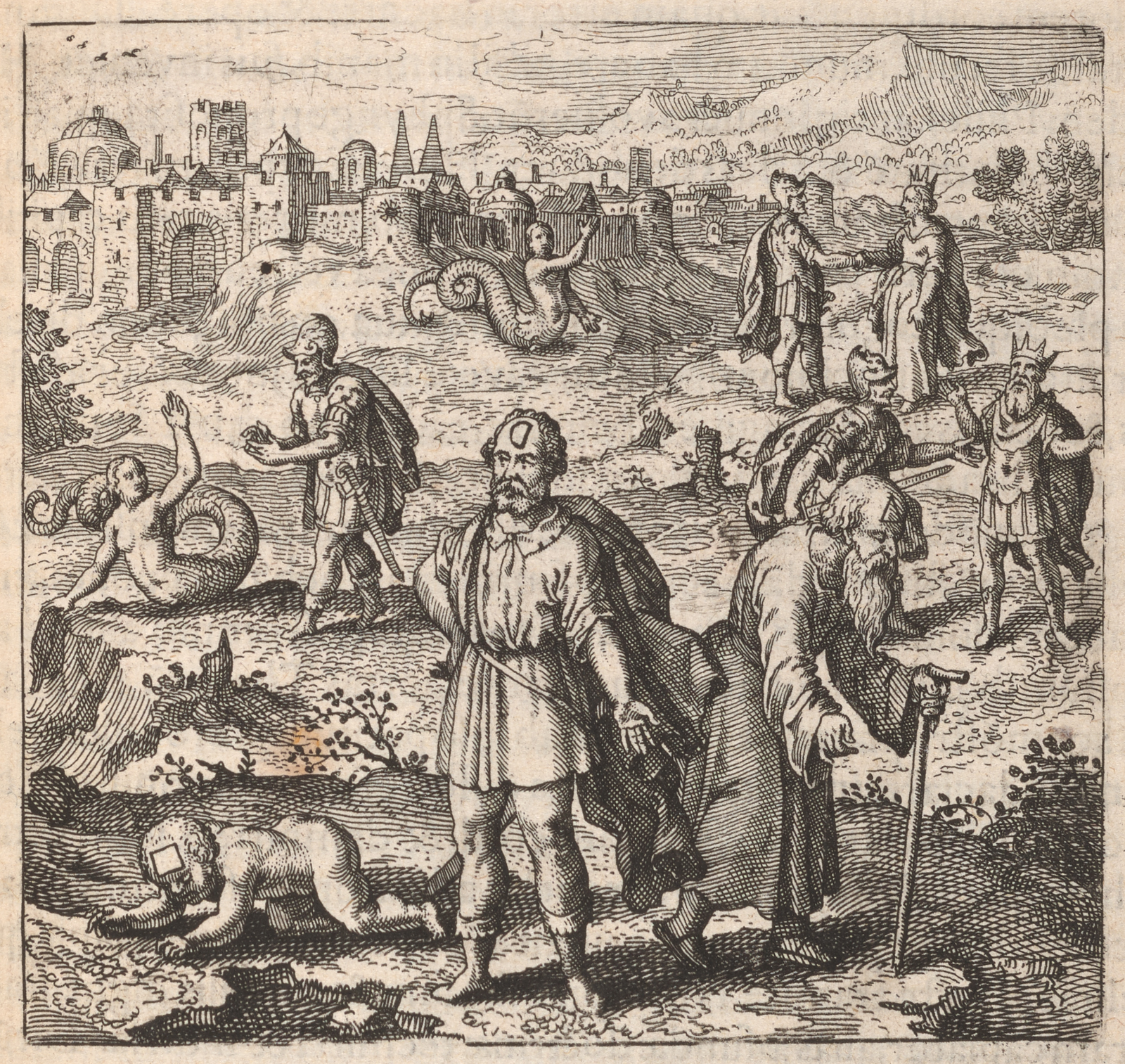
Emblem XXXIX ALBEDO
Emblem XXXIX
Oedipus, having conquered the Sphinx and having killed his father Laius, married his mother Jocasta.
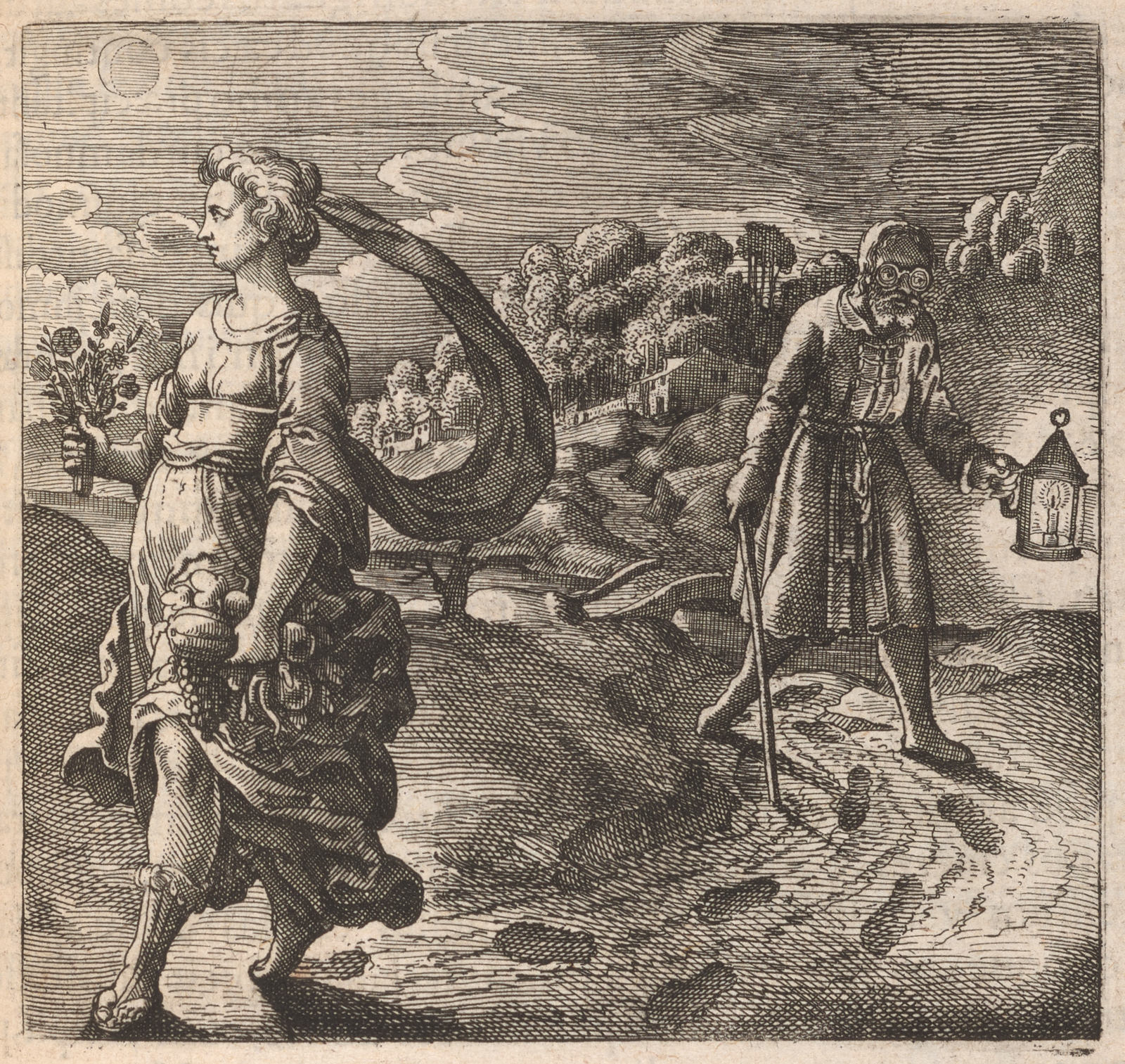
Emblem XLII RUBEDO
Emblem XLII
What Nature, Reason, Experience and Reading teach you, let that be the fire, the vessel, the water and the earth.
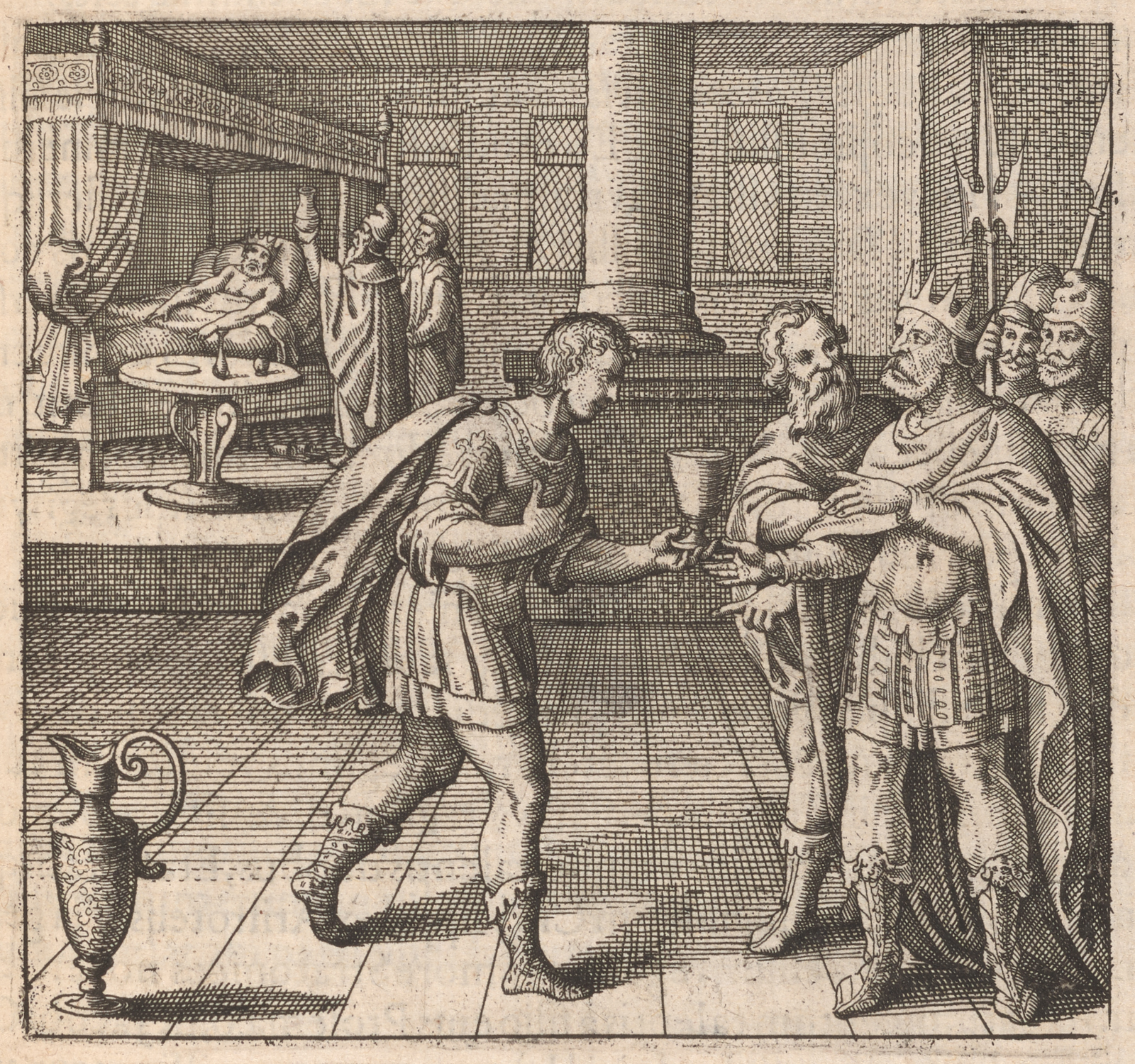
Emblem XLVIII RUBEDO
King Duenech receives potion
The king, fallen ill from drinking, is restored to health by a physician.
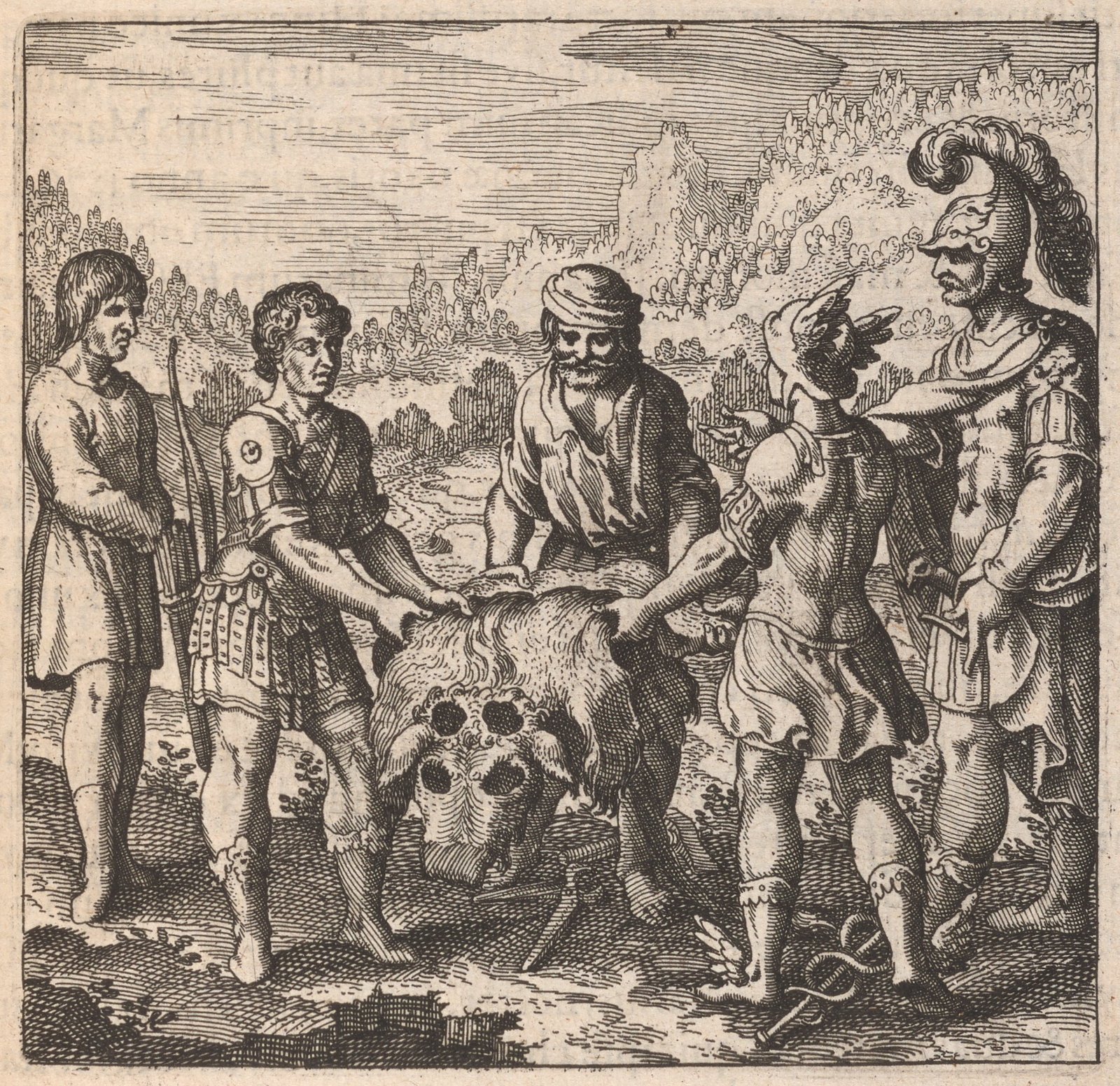
Emblem XLIX CITRINITAS
Emblem XLIX
The Philosophical Child acknowledges three fathers, just as Orion.