Robertus Vallensis, De Veritate et Antiquitate Artis Chemicae ALCHEMICAL
cited in 2 emblems
Robertus Vallensis's De Veritate et Antiquitate Artis Chemicae is a sixteenth-century treatise defending the antiquity and legitimacy of alchemy, which includes an allegorical interpretation of the Atalanta myth as an alchemical parable. De Jong (1969) identifies this text as a direct source for Maier's frontispiece commentary, where the race between Atalanta and Hippomenes is read as the pursuit of the volatile by the fixed principle. The frontispiece engraving thus draws its interpretive framework in part from Vallensis's defense of alchemical hermeneutics applied to classical mythology.
Cited in
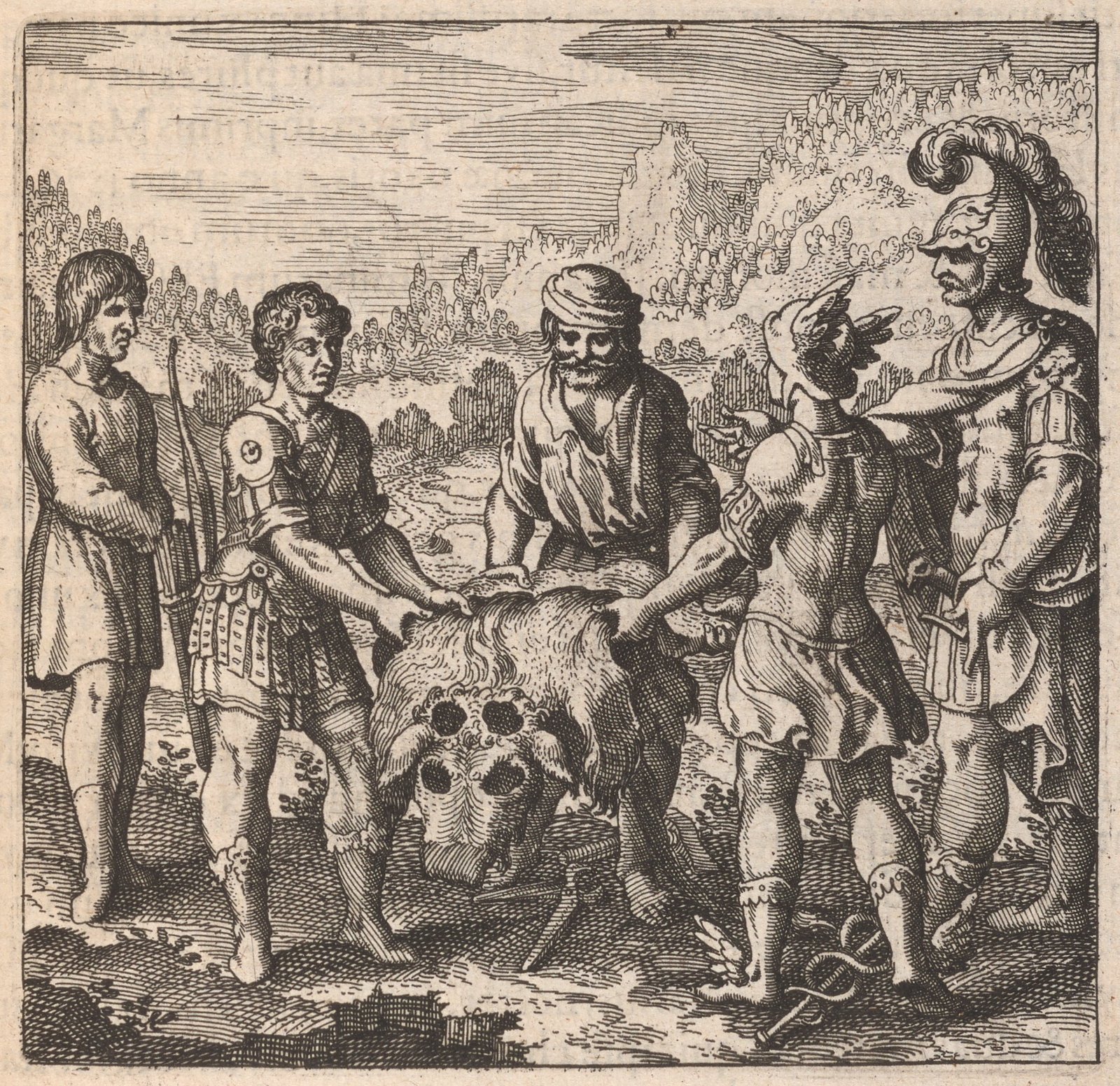
Emblem XLIX CITRINITAS
Emblem XLIX
The Philosophical Child acknowledges three fathers, just as Orion.
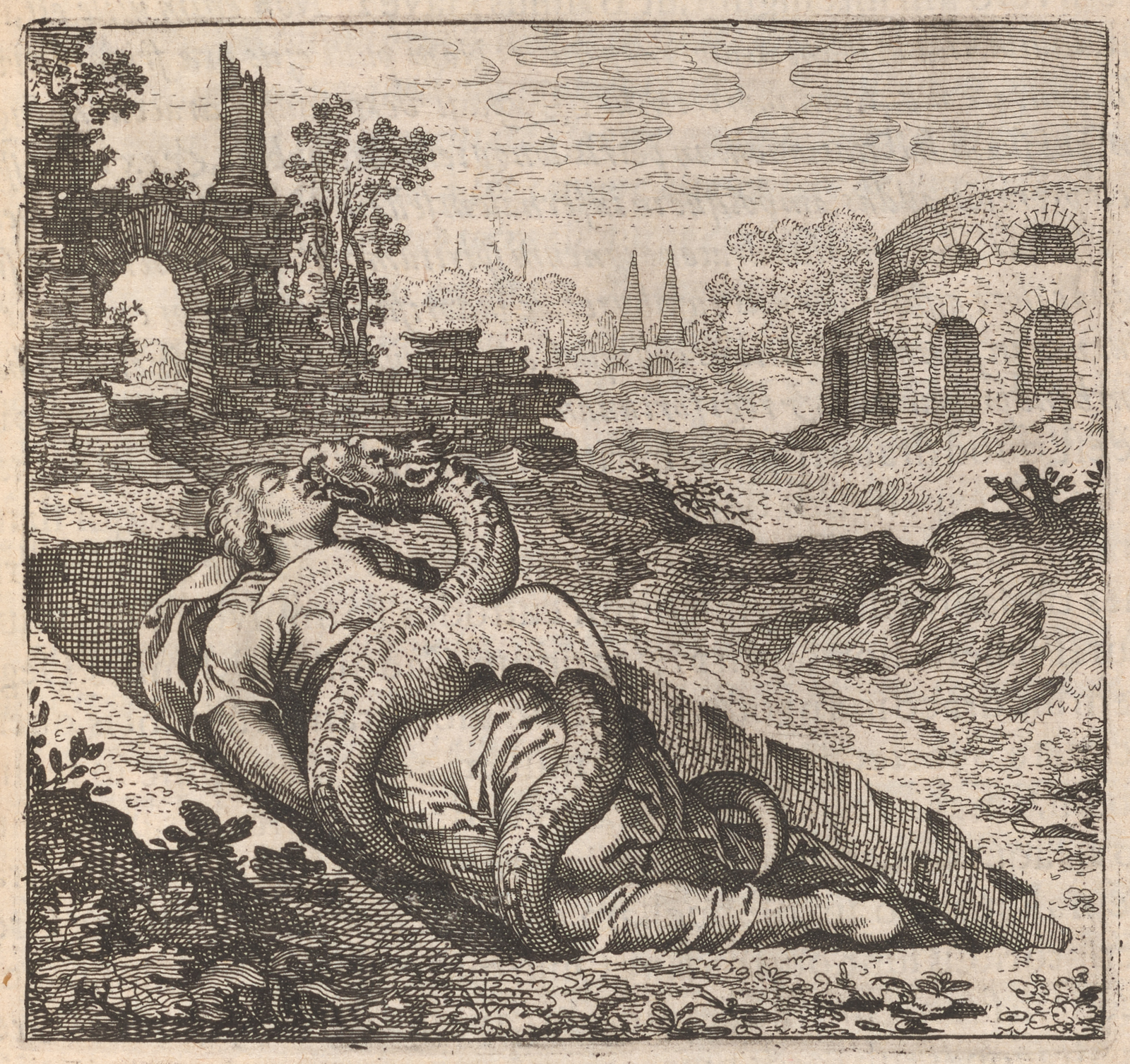
Emblem L NIGREDO
The Dragon kills the woman
The Dragon kills the woman, and she kills it, and together they bathe in blood.