Signature h4v
Folio 60r, Quire h
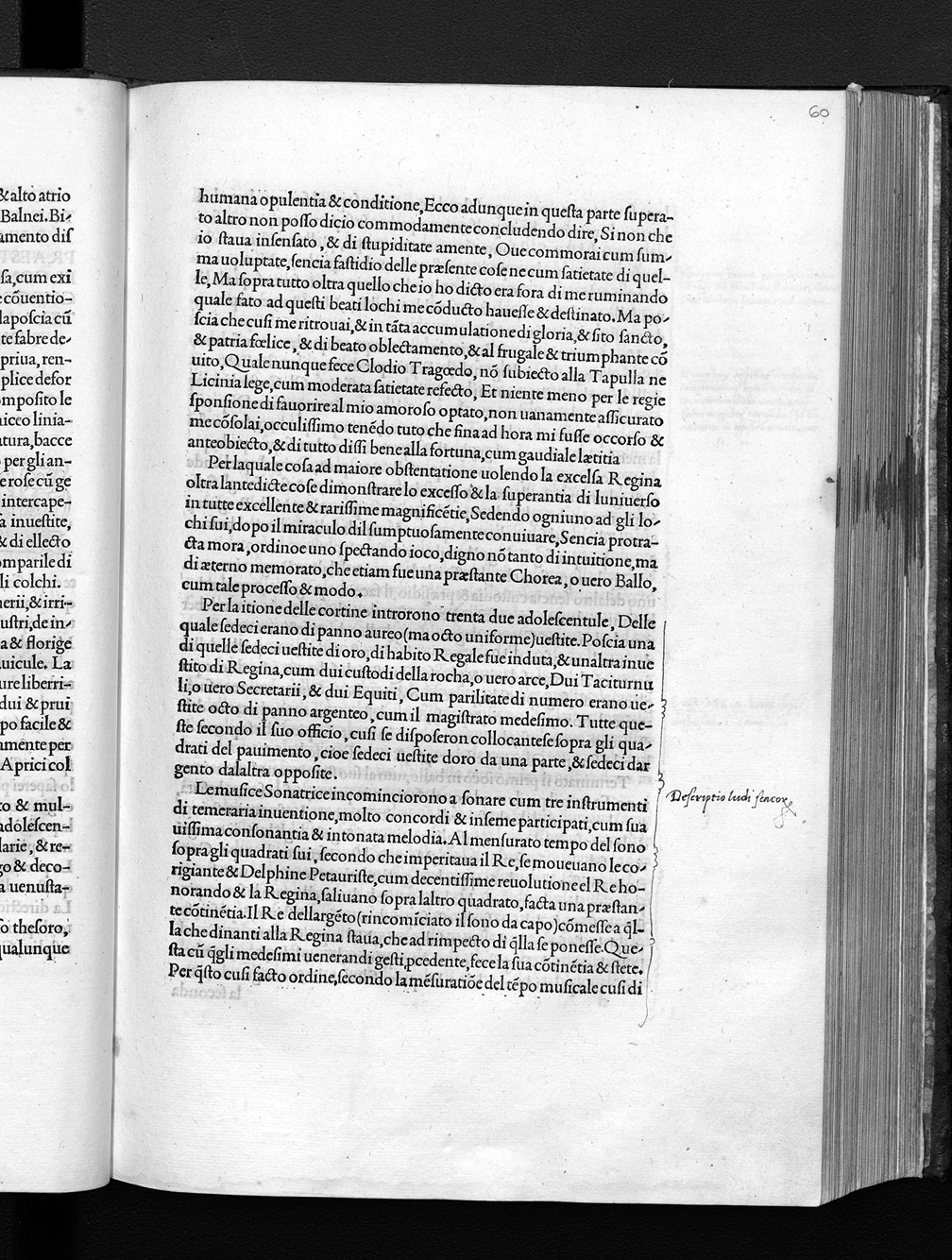
Biblioteca degli Intronati, Siena — O.III.38
HIGH Unverified
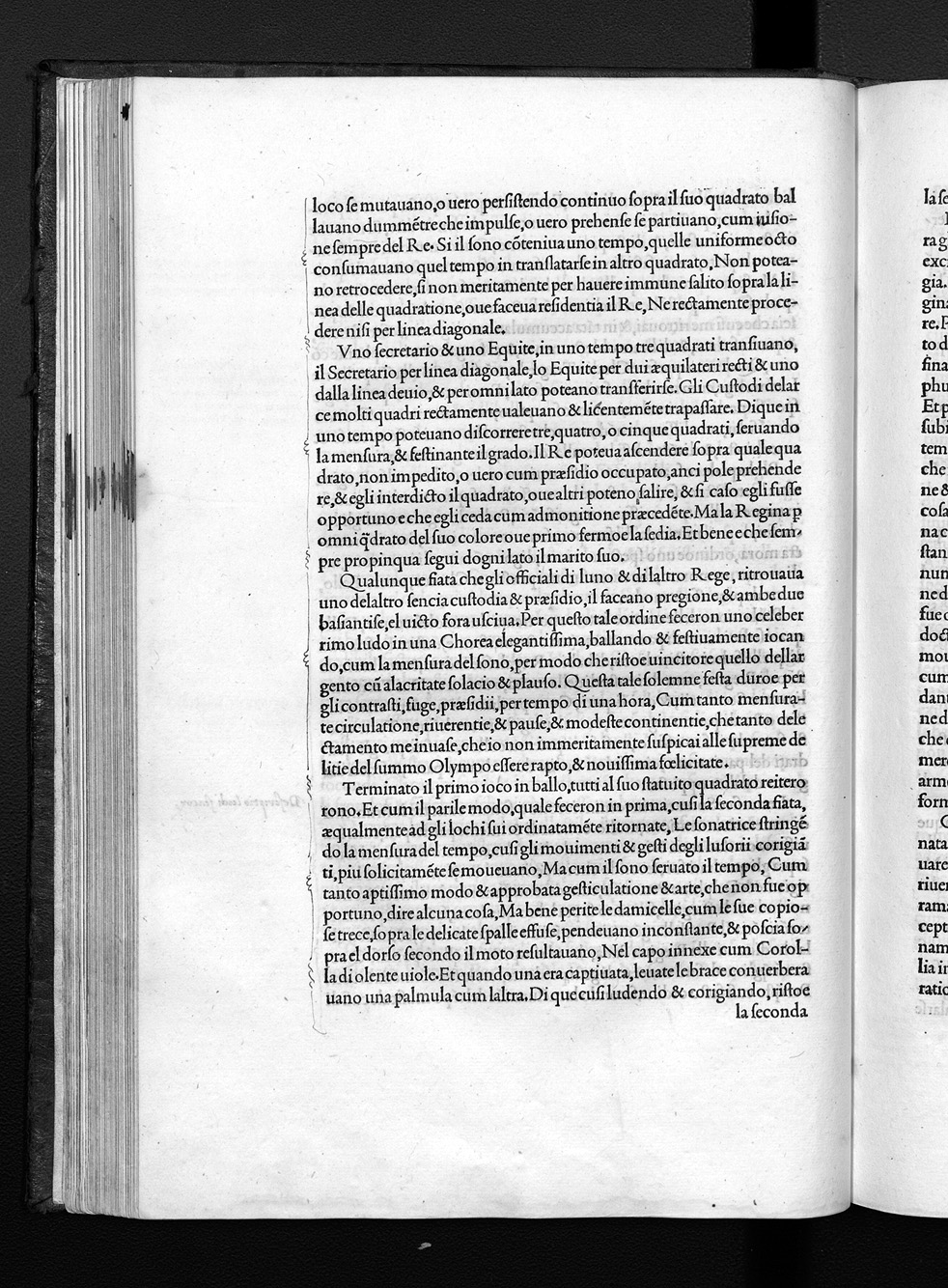
Biblioteca degli Intronati, Siena — O.III.38
HIGH Unverified
Vision Reading (Phase 3 deep analysis)
Primary hand: Multiple · Hands: 3 · Type: text_page · Sig: g8r
Transcription Attempts
left_margin_upper · Latin · LOW
[...] Grussilar [...] ORATIO [...] DICTIO [...] [...] futture [...]
'ORATIO' (speech/prayer), 'DICTIO' (diction/word). Reader is noting the rhetorical mode of the text
left_margin_center · Latin · LOW
mererealtis [...] erus [...] Aderrimo [...] praecept [...] nomina [...]
Dense Latin commentary. The printed text discusses inscriptions and monuments
bottom · Latin · LOW
[...] de [...] Maludia [...]
Bottom annotations barely legible
Scholarly Significance
Page 120 — adjacent to the obelisk page (p.119) that was deep-read in Tier 2. The annotations show attention to rhetorical categories ('ORATIO', 'DICTIO'), suggesting a reader analyzing Colonna's prose style. This rhetorical attention is distinct from both the architectural and alchemical reading programs and may represent a third interpretive tradition focused on elocutio.
Cross-references: Photo 132 (p.119, obelisk with inscriptions)
Vision reading (Claude Code, Phase 3)
Annotations
EMENDATION (1)
Hand Primary: Pope Alexander VII (Fabio Chigi)
Emendation
“lascivia”
rrors be a step towards explaining the seemingly random nature of the line extensions, as
random as a compositor’s carelessness.
The re-insertion of material which had been proscribed is another possibility, though
unlikely. There is no marginal content that appears in any way controversial or worthy of
being hidden. The only possible exception is the insertion of the phrase ‘in tono lasio’, which
may mean ‘lascivious’, into the phrase ‘Edyepea incomincio \in tono lasio/ a cantare’ on
...
Russell, PhD Thesis, p. 221 (Ch. 8)
Hand Primary: Pope Alexander VII (Fabio Chigi)
Emendation
“lascivia”
rrors be a step towards explaining the seemingly random nature of the line extensions, as
random as a compositor’s carelessness.
The re-insertion of material which had been proscribed is another possibility, though
unlikely. There is no marginal content that appears in any way controversial or worthy of
being hidden. The only possible exception is the insertion of the phrase ‘in tono lasio’, which
may mean ‘lascivious’, into the phrase ‘Edyepea incomincio \in tono lasio/ a cantare’ on
...
Russell, PhD Thesis, p. 221 (Ch. 8)