Signature g4r
Folio 52r, Quire g
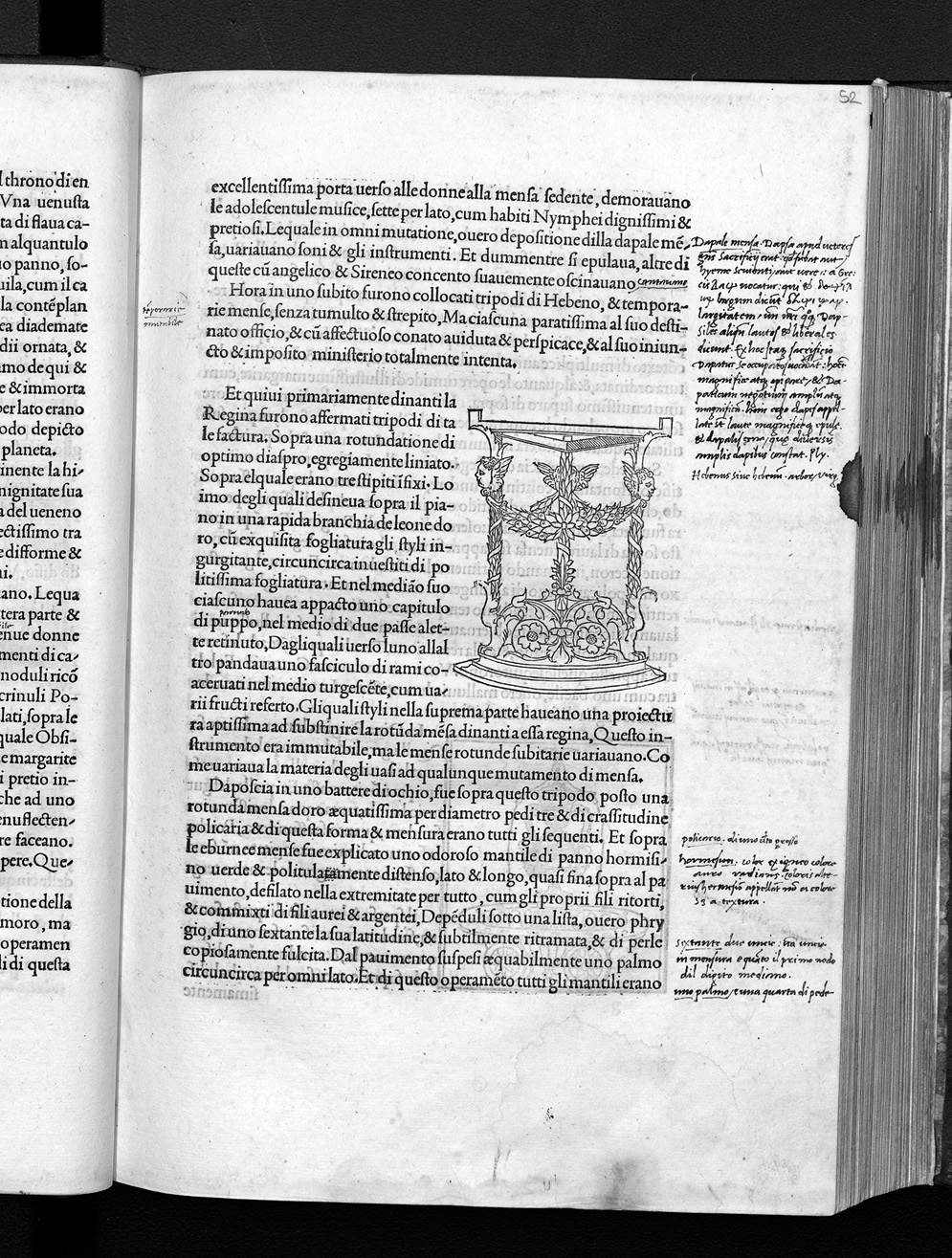
Biblioteca degli Intronati, Siena — O.III.38
HIGH Unverified
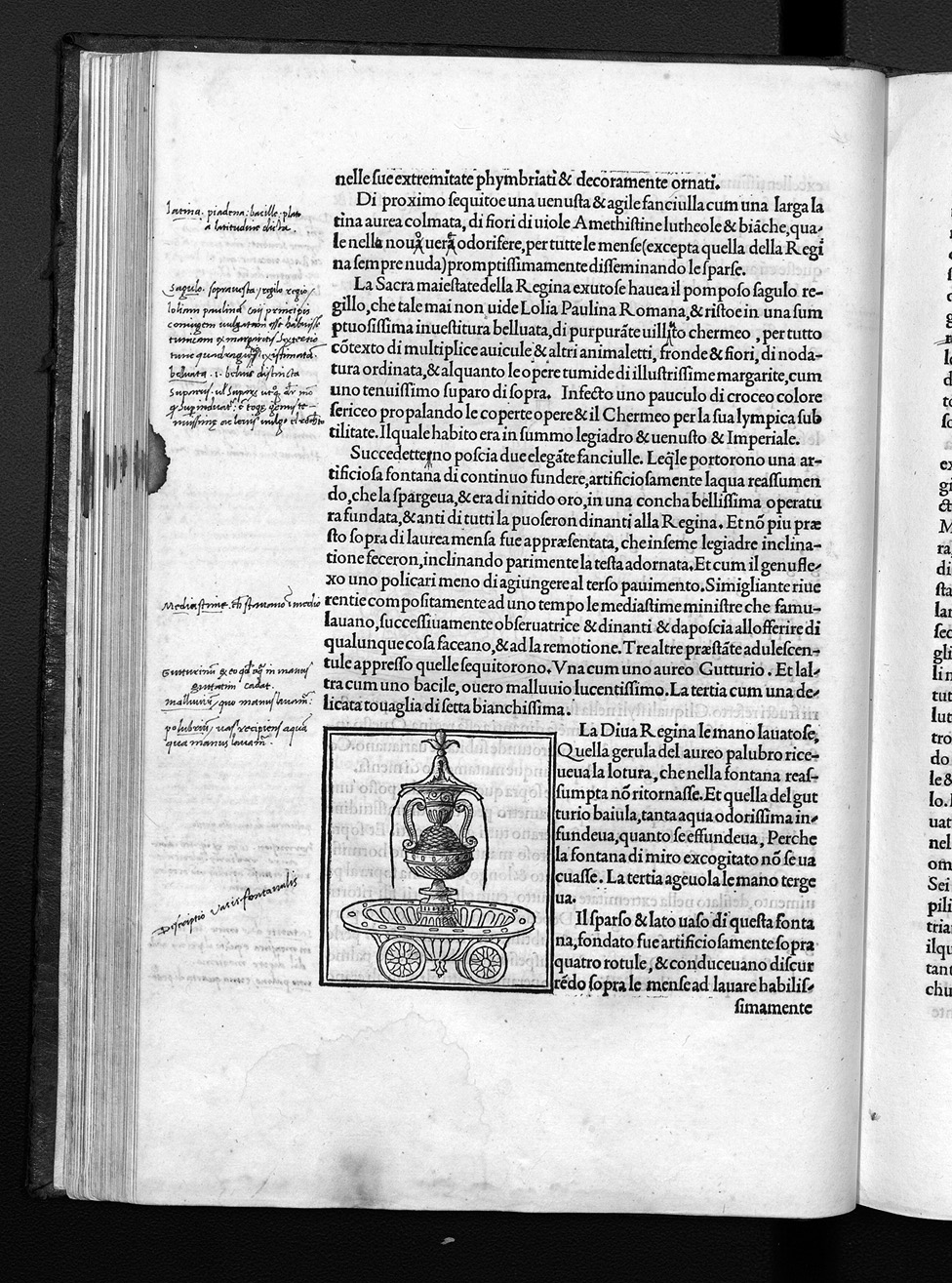
Biblioteca degli Intronati, Siena — O.III.38
HIGH Unverified
Annotations
CROSS_REFERENCE (1)
Hand Primary: Pope Alexander VII (Fabio Chigi)
Cross Reference
nce
the printed text with manuscript material.
A more qualitative observation to supplement Fumagalli’s case is the almost defensive
concern the annotators exhibit for portraying Polia as an entirely allegorical figure. In
presenting Poliphilo’s beloved as pure symbolism, they protect against any association of
Polia with a real woman with whom Colonna could have had an illicit relationship with the
veil of allegory.
Both A and C present Polia solely as a personification of virtue on ...
Russell, PhD Thesis, p. 228 (Ch. 8)
Hand Primary: Pope Alexander VII (Fabio Chigi)
Cross Reference
nce
the printed text with manuscript material.
A more qualitative observation to supplement Fumagalli’s case is the almost defensive
concern the annotators exhibit for portraying Polia as an entirely allegorical figure. In
presenting Poliphilo’s beloved as pure symbolism, they protect against any association of
Polia with a real woman with whom Colonna could have had an illicit relationship with the
veil of allegory.
Both A and C present Polia solely as a personification of virtue on ...
Russell, PhD Thesis, p. 228 (Ch. 8)
Hand Primary: Pope Alexander VII (Fabio Chigi)
Cross Reference
nce
the printed text with manuscript material.
A more qualitative observation to supplement Fumagalli’s case is the almost defensive
concern the annotators exhibit for portraying Polia as an entirely allegorical figure. In
presenting Poliphilo’s beloved as pure symbolism, they protect against any association of
Polia with a real woman with whom Colonna could have had an illicit relationship with the
veil of allegory.
Both A and C present Polia solely as a personification of virtue on ...
Russell, PhD Thesis, p. 228 (Ch. 8)
Hand Primary: Pope Alexander VII (Fabio Chigi)
Cross Reference
nce
the printed text with manuscript material.
A more qualitative observation to supplement Fumagalli’s case is the almost defensive
concern the annotators exhibit for portraying Polia as an entirely allegorical figure. In
presenting Poliphilo’s beloved as pure symbolism, they protect against any association of
Polia with a real woman with whom Colonna could have had an illicit relationship with the
veil of allegory.
Both A and C present Polia solely as a personification of virtue on ...
Russell, PhD Thesis, p. 228 (Ch. 8)